GREEK FORCED LABOURERS DEPORTED TO THE THIRD REICH

Recovering the memory of a hidden aspect of World War II

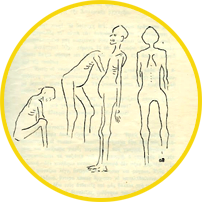
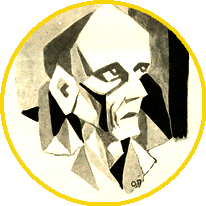
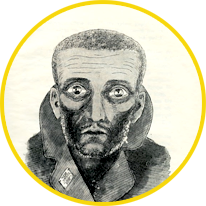
The exhibition presents stories of Greek forced labourers from the district of Magnesia who were deported to labour camps in the Third Reich. Their experiences of often inhumane exploitation are part of European history. However, until recently, this history had not been recorded or studied. The research on which the exhibition is based sheds light on the difficult and emotionally charged journeys of our fellow citizens through oral testimonies, archival documents, rare photographs, and objects. Through the voices of six protagonists, the exhibition intends to strengthen empathy and respect for these "forgotten" victims of Nazism.
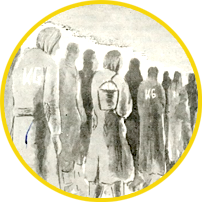
“Strip off all your clothes, naked, as you were born, and leave any objects you carry with you on your clothes”.
Theodoros Ayiotis (1924- )
“But there, in Germany, they took all that away from us and gave us the camp clothes. Blouses, skirts, and on the back... we had our number here, of course, but the others had an X painted on their backs with oil paint, so that if we escaped, they would recognize us immediately. You see?”
Afroditi Koutrouli-Kalatzi, 1924-2021
“No fork, no spoon. We ate off some tin plates they gave us, like animals, like dogs. They were people, so to speak, murderers of humanity. One night—it was a full moon, in fact—I opened the window to jump down and kill myself.”
Nikos Samouris, 1924-2021
“I was just seventeen when we went to Germany. There, we were truly tested to the limit. To tell you the truth, I might not be able to sleep tonight; it all comes back like a movie in my mind…”
Marianthi Nachmia-Souli, 1926-2022
“Until one night they took me to the Kommandatur, their headquarters. There I was certain they were going to kill me, hang me. They tortured me there to make me talk. I… didn’t say a word, of course. I had made up my mind calmly. I was waiting for death. Nothing else. ”
Parisis Maliokapis, 1925-2016
“That’s why I am still alive: to tell this story.”
Yorgos Fokoulis, 2022 -
Image

Nazi
concentration camps

Image

Camp
life

Image

Liberation
and homecoming

Image

Memory, trauma,
recognition