
The Silence
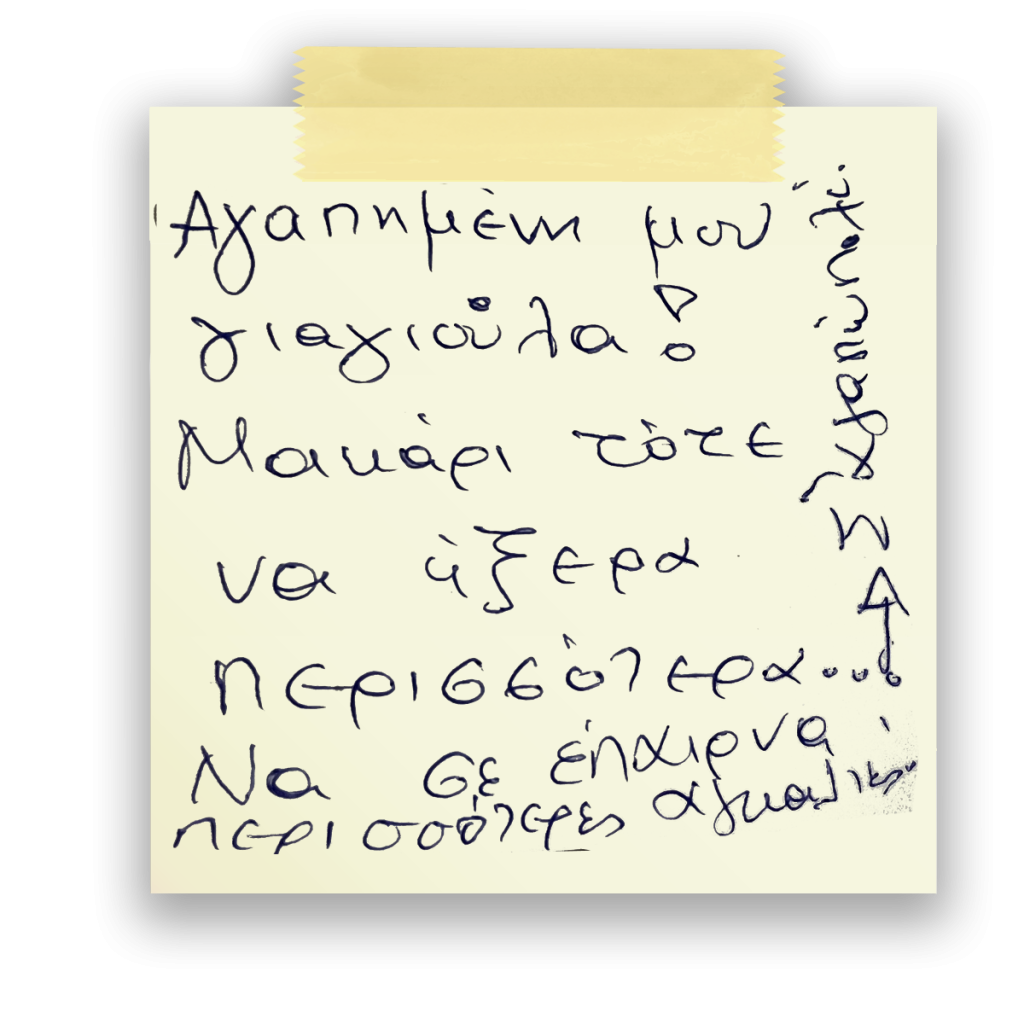
“My beloved grandmother! If only I had known more back then… I would have held you in my arms so much more!”
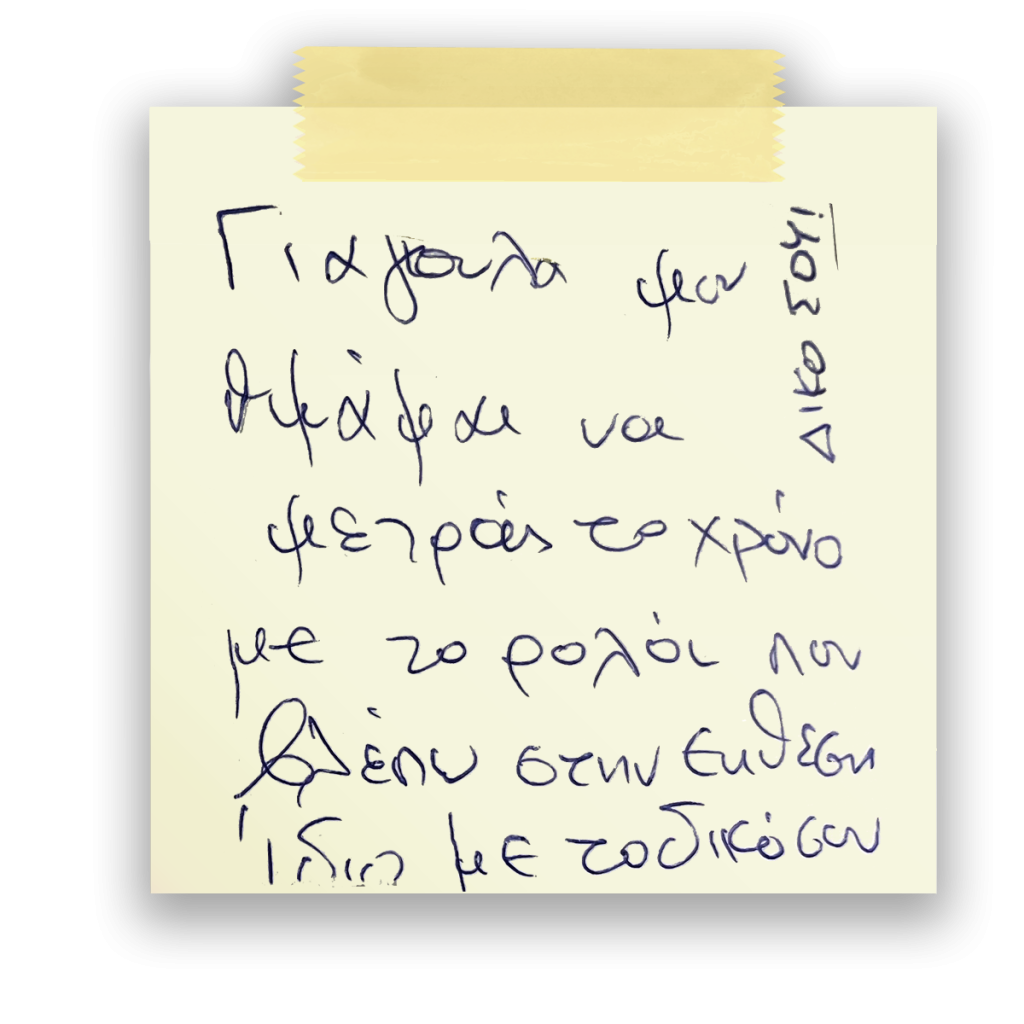
“Dear grandmother! I remember you looking at the watch I see here at the exhibition, the same as yours!”
The exhibition brings to light a story that remained in the shadows for entire decades, returning a piece of their own history to the citizens.
The Forced Labourers’ Archive includes the stories of 235 deportees from Magnesia. It was a deeply moving experience for descendants to discover the hidden history of their relatives within these files. While the Nazi regime aimed to annihilate the human identity of the prisoners and reduce them to mere numbers, they are restored as human beings here through their stories.
But why did silence prevail regarding this category of Nazi victims? Why were their recognition and compensation so long delayed? It was only in 2000 that Germany recognized forced labour as a war crime and provided some compensation to the few beneficiaries who were still alive.
In each of the countries of origin of the 13 million people deported for forced labour, the reasons for this silence varied. In Greece, a primary cause was undoubtedly the Civil War, which was already unfolding as the former forced labourers began returning from Germany. These returnees were collectively stigmatized as resistance fighters—members of EAM—and thus as leftists and enemies of the state. Many faced renewed persecution. The fear of negative repercussions for their families, combined with the profound trauma they carried, kept them silent and prevented them from speaking even to their children and grandchildren.
Seeking to preserve the memory of these displaced prisoners, the Volos Oral History Group (OPIVO) began researching the subject in 2015, using oral testimonies from survivors as a primary source. This was subsequently enriched by the study of bibliographic and archival sources, published written testimonies, and field research in both Magnesia and Germany.
Through this research, we identified and mapped the journeys of 235 prisoners from Magnesia, established their social profile, recorded the primary deportation transports of Magnesian prisoners to the Third Reich, and gathered data on all the camps (both main camps and sub-camps) to which they were deported.