The exhibition
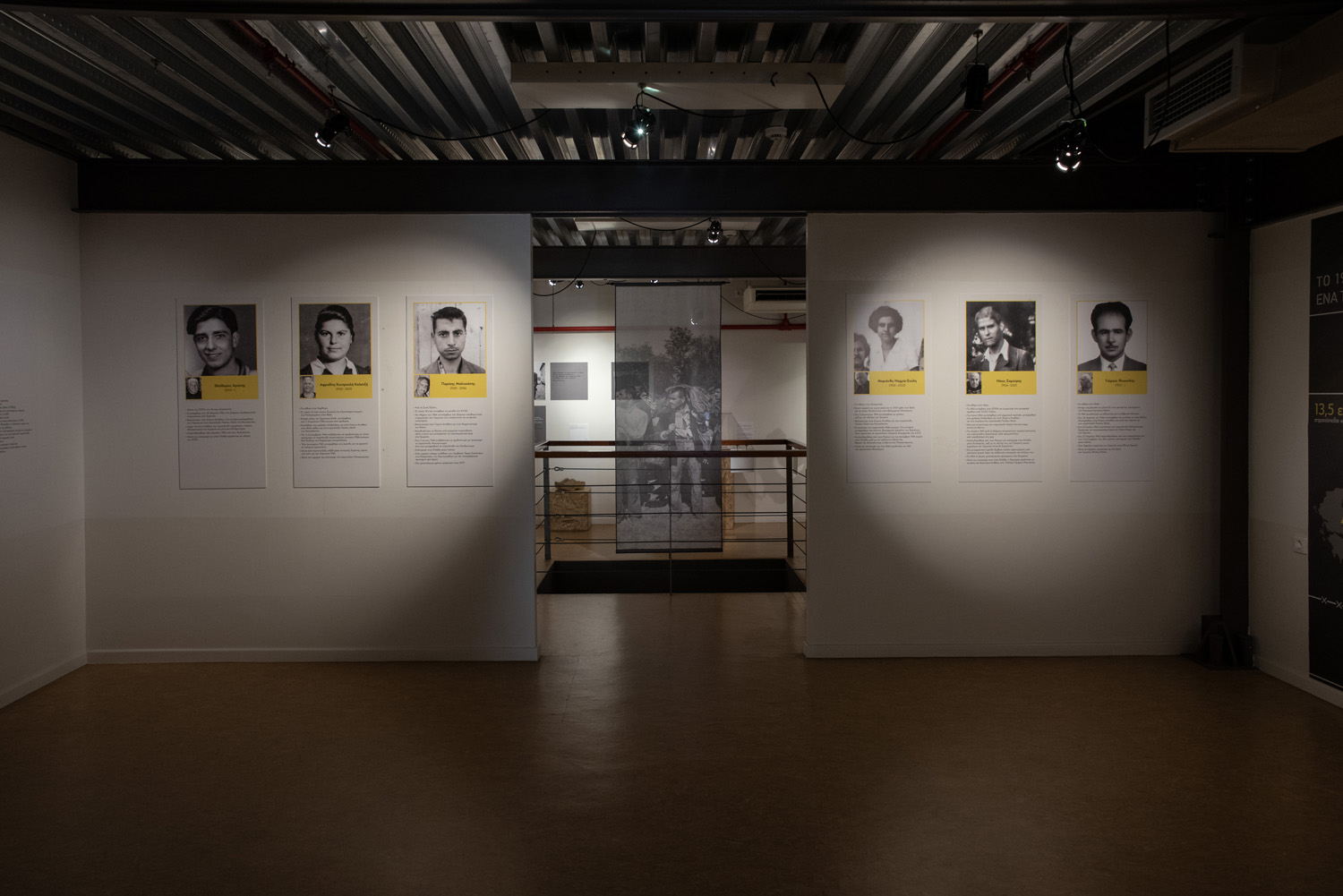
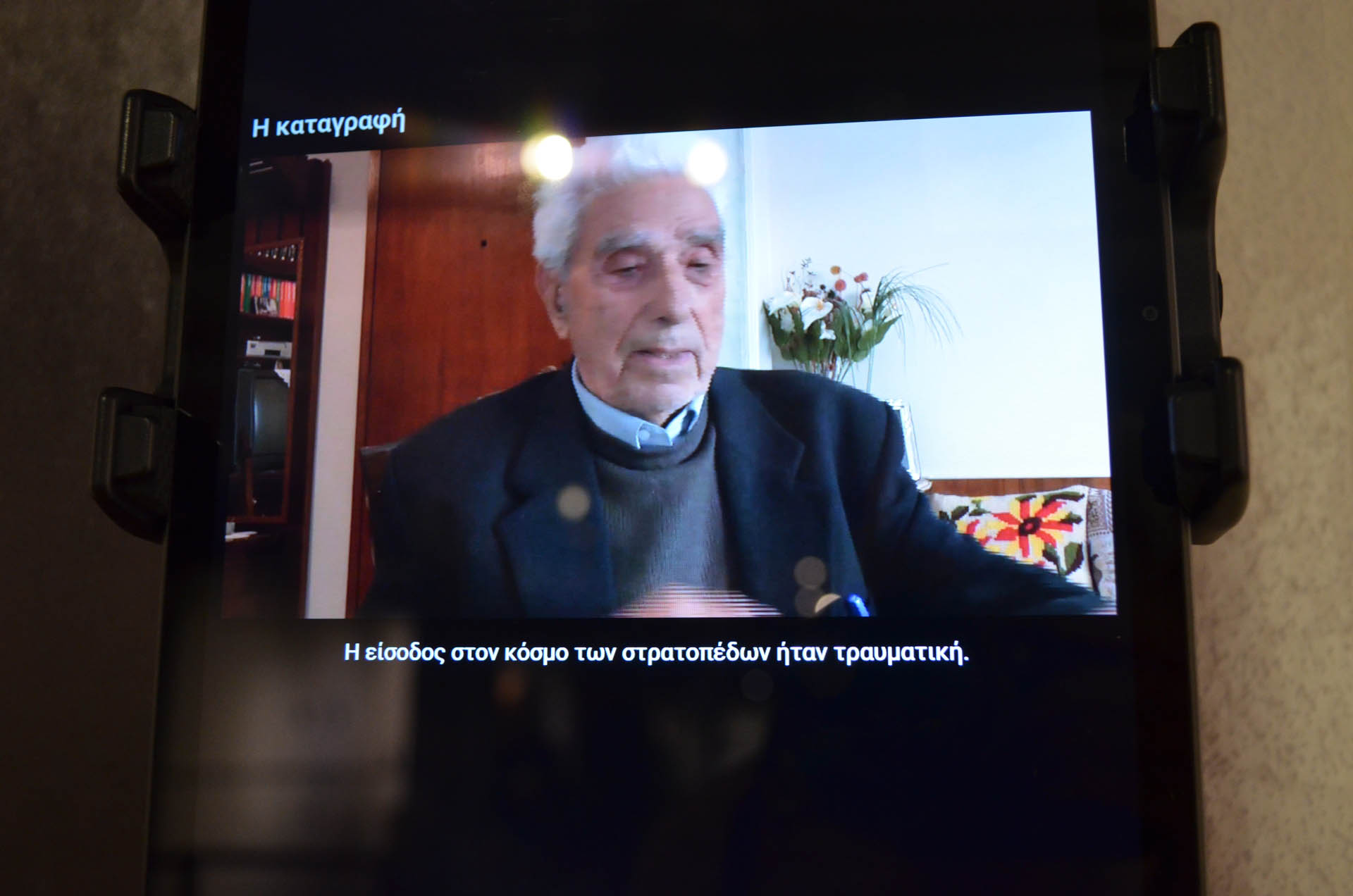
The exhibition “Behind Barbed Wire: Greek Forced Labourers Deported to the Third Reich” was held at the Volos City Museum from November 5, 2025, to January 21, 2026.It explores an often-overlooked aspect of World War II: the deportation of millions of people for forced labour in Nazi Germany. Drawing upon the oral testimonies of six narrators, as well as unpublished archival material, photographs, personal objects, and written records, the exhibition reconstructs the journeys of 235 prisoners from Magnesia, from their initial capture to their eventual return to Greece.
The exhibition material is based on the long-term research conducted by the Volos Oral History Group (OPIVO), under the academic supervision of social anthropologist Riki Van Boeschoten, Professor at the University of Thessaly.
The exhibition was co-organized by the Department of Archives, Museums, and Libraries of the Municipality of Volos, the Volos Oral History Group (OPIVO), and the “Citizens for the Volos City Museum” association. It was realized with a grant from the Hellenic Ministry of Culture and based on museological proposals by Marlyn Mouliou (Assistant Professor of Museology at the National and Kapodistrian University of Athens) and a team of postgraduate students from the Interdepartmental Postgraduate Programme in Museology. Equally vital to the exhibition’s success were the museographic and graphic design by Despina Tsafou and Akrivi Anagnostaki, respectively. The soundscape in the exhibition foyer was composed by Kostis Drygianakis, a member of OPIVO.
[View the full list of contributors]
The reintegration of a forgotten story into the local community, combined with the exhibition’s narrative structure and sophisticated museographic design, acted as a magnet for the public, resulting in attendance figures that exceeded all expectations.
In total, 3,725 people visited the exhibition; of these, 1,671 were students and accompanying teachers, representing 77 school groups from all educational levels.
Highlights from the Exhibition Opening
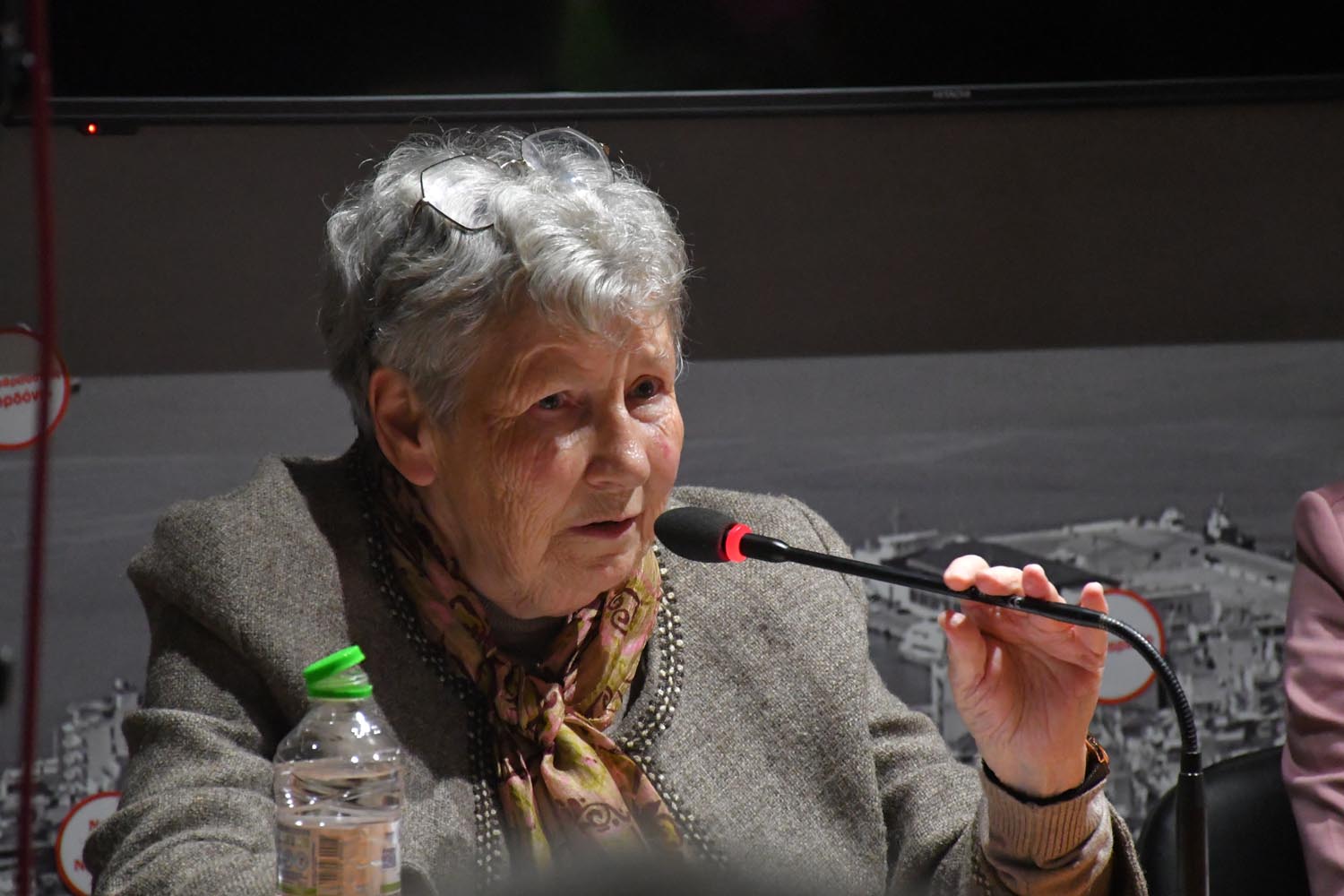
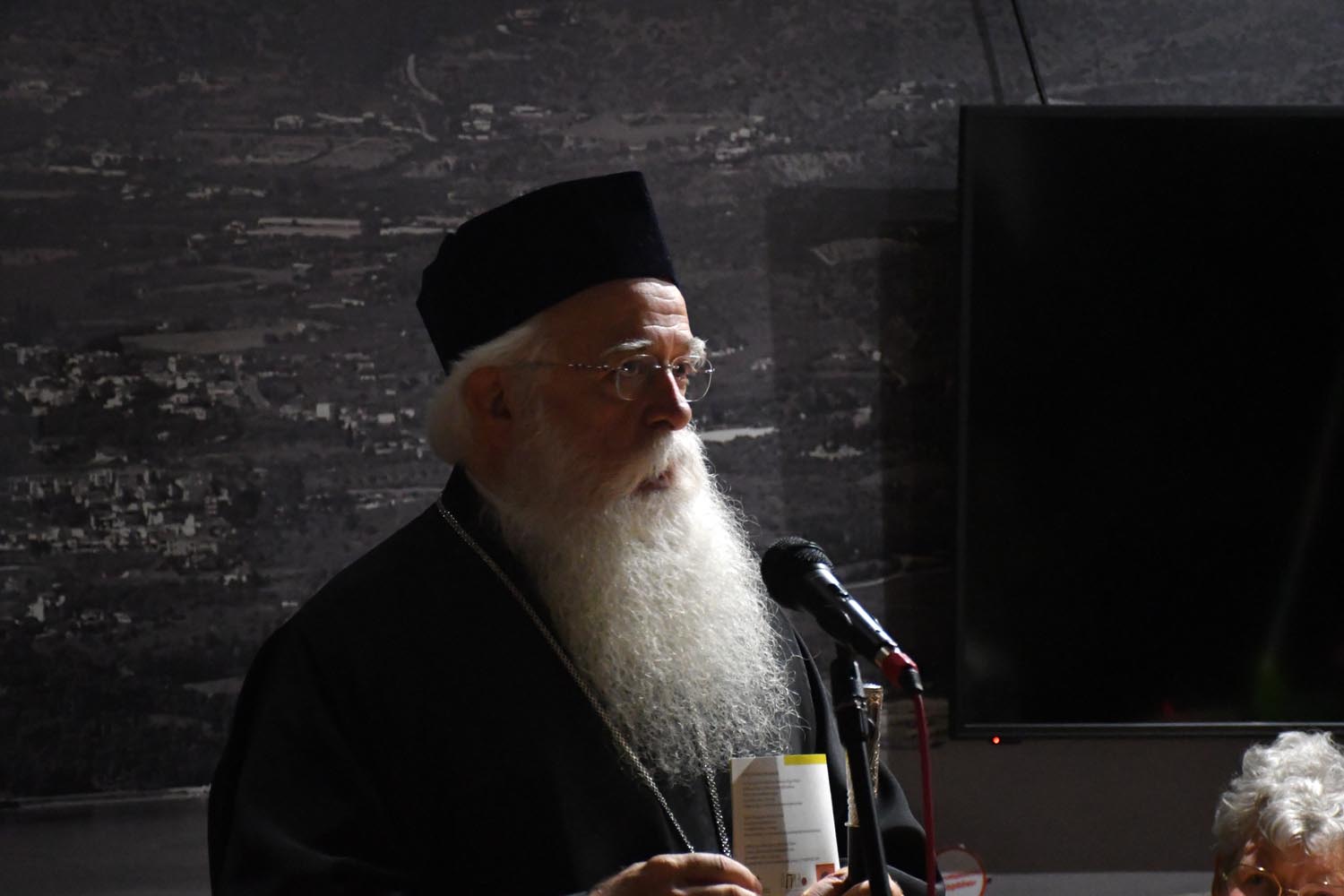
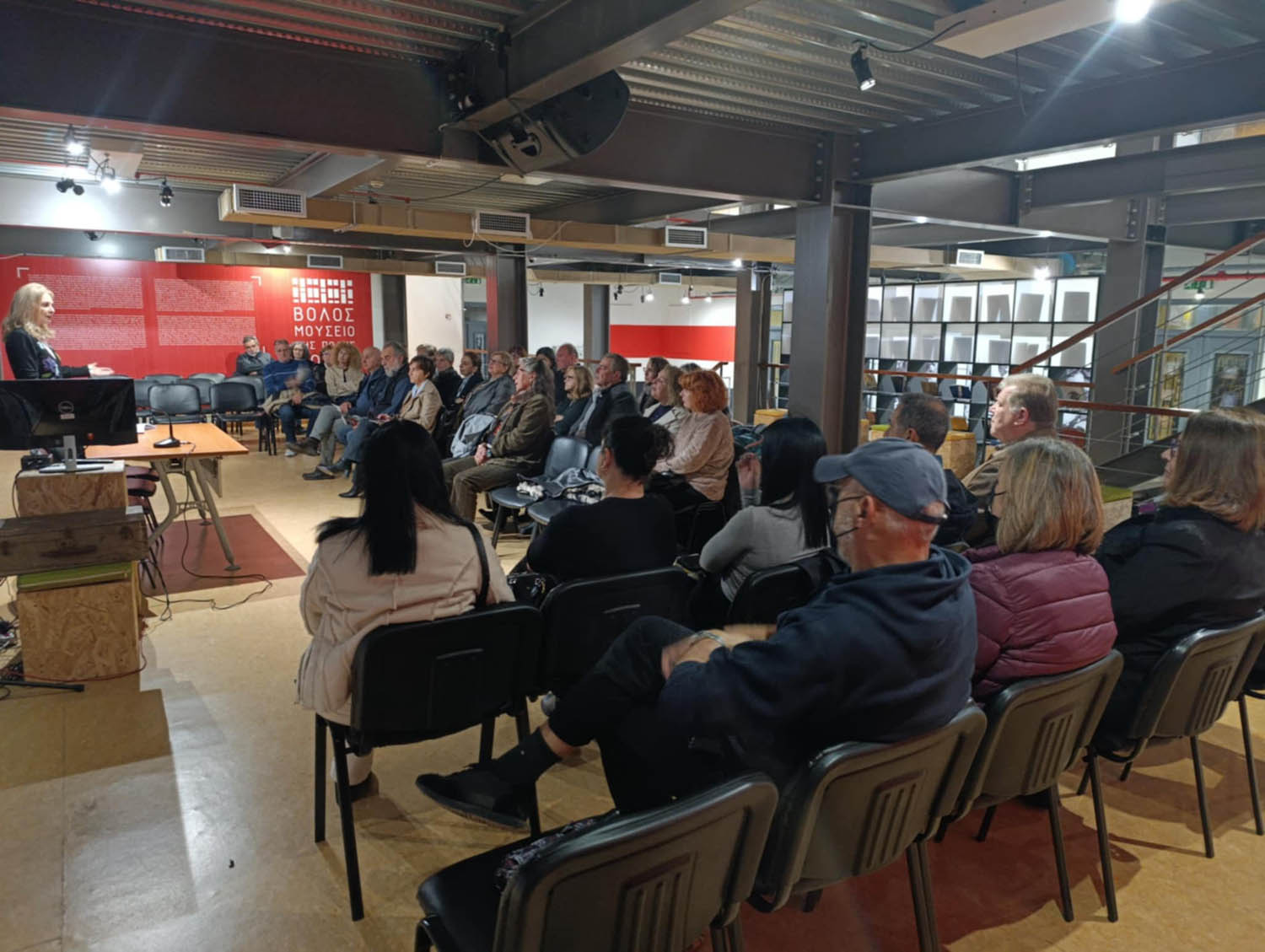
The exhibition opened its doors on November 5, 2025. More than 180 attendees joined the opening ceremony and were given a guided tour to discover the untold history of the people from Magnesia who were held in Nazi forced labour camps.
Welcoming remarks were delivered by the Deputy Mayor of Culture, Ms. Elena Antonopoulou, and His Eminence Ignatios, Metropolitan of Demetrias. Regarding the exhibition’s content, Riki Van Boeschoten spoke on behalf of OPIVO, while educators Gerasimos Tsimbloulis (President of the “Citizens for the Volos City Museum” association) and Katerina Nanopoulou (member of OPIVO) presented the accompanying educational programmes. The discussion was moderated by Annita Prassa, Head of the General State Archives of Magnesia and member of OPIVO.
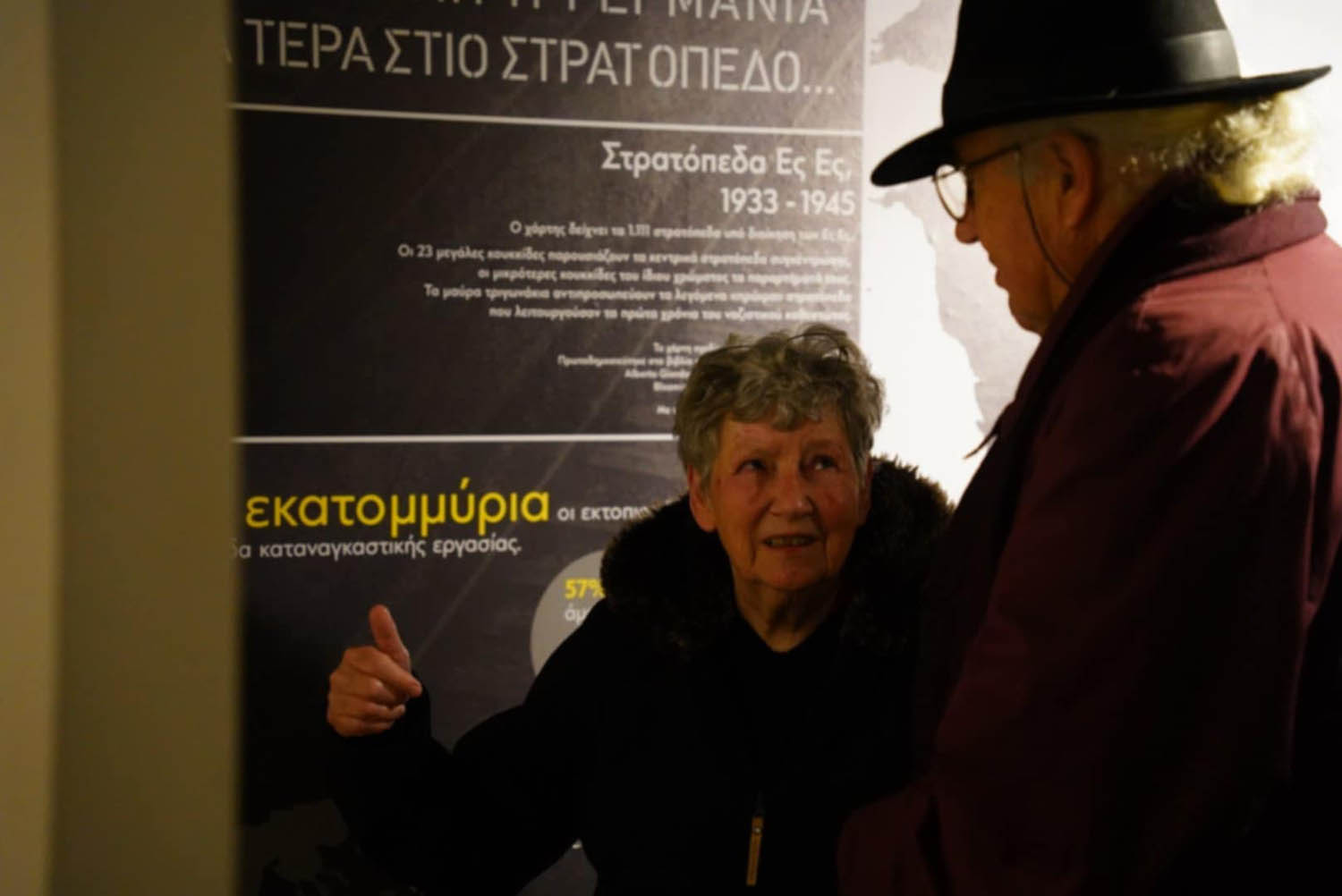
The opening was graced by the presence of survivor and primary narrator of the exhibition, Theodoros Ayiotis, now 101 years old, as well as numerous descendants of the forced labourers.
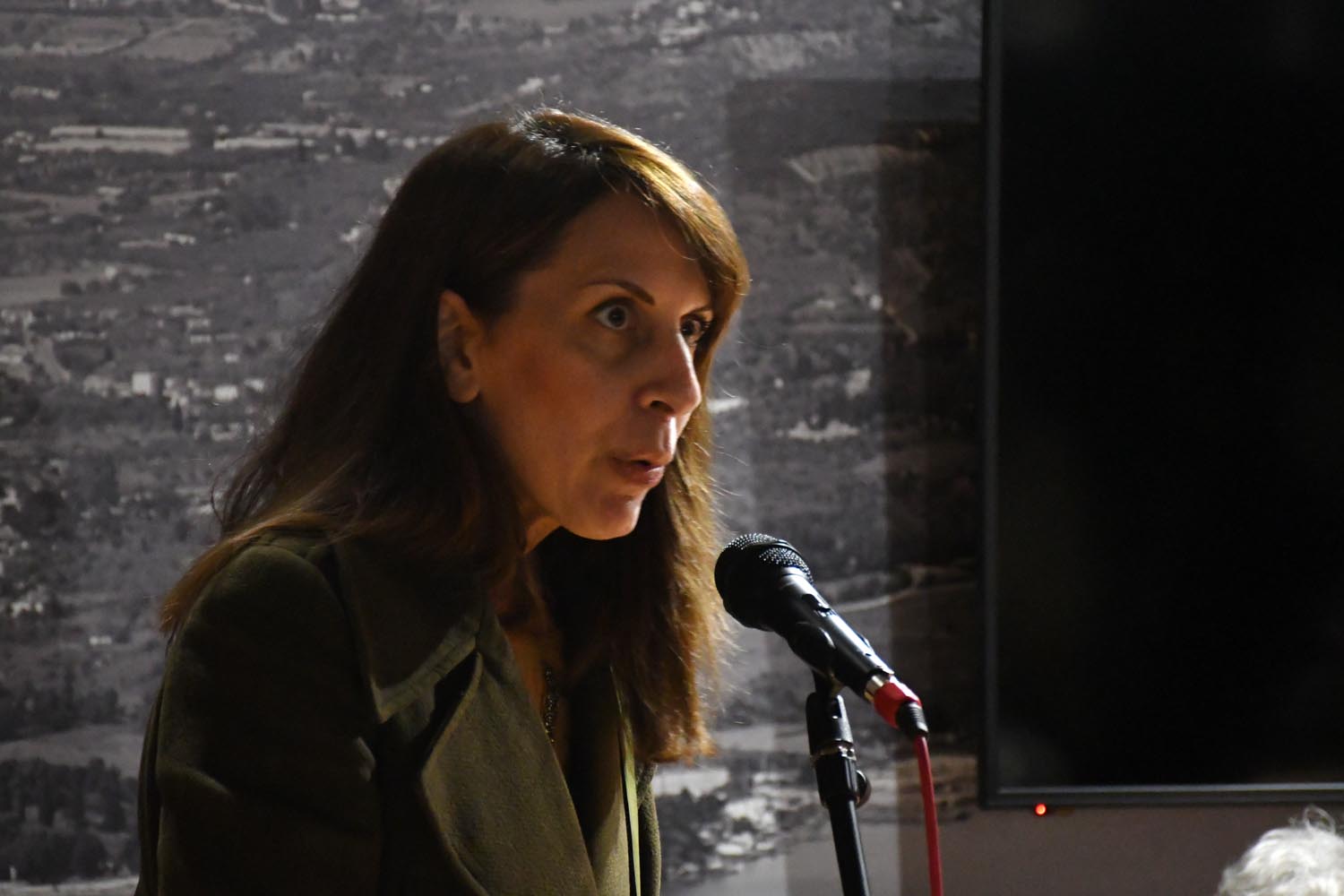
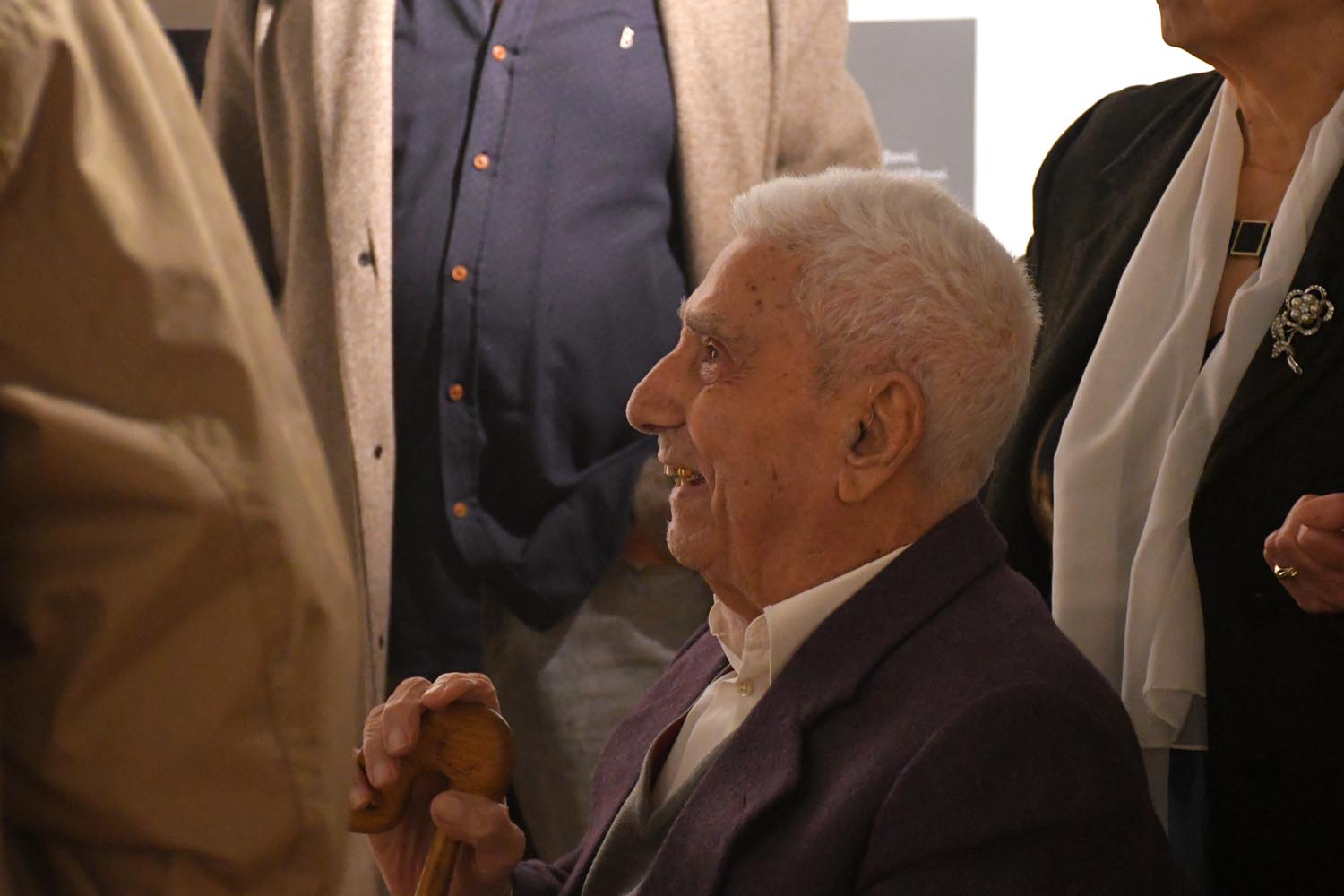
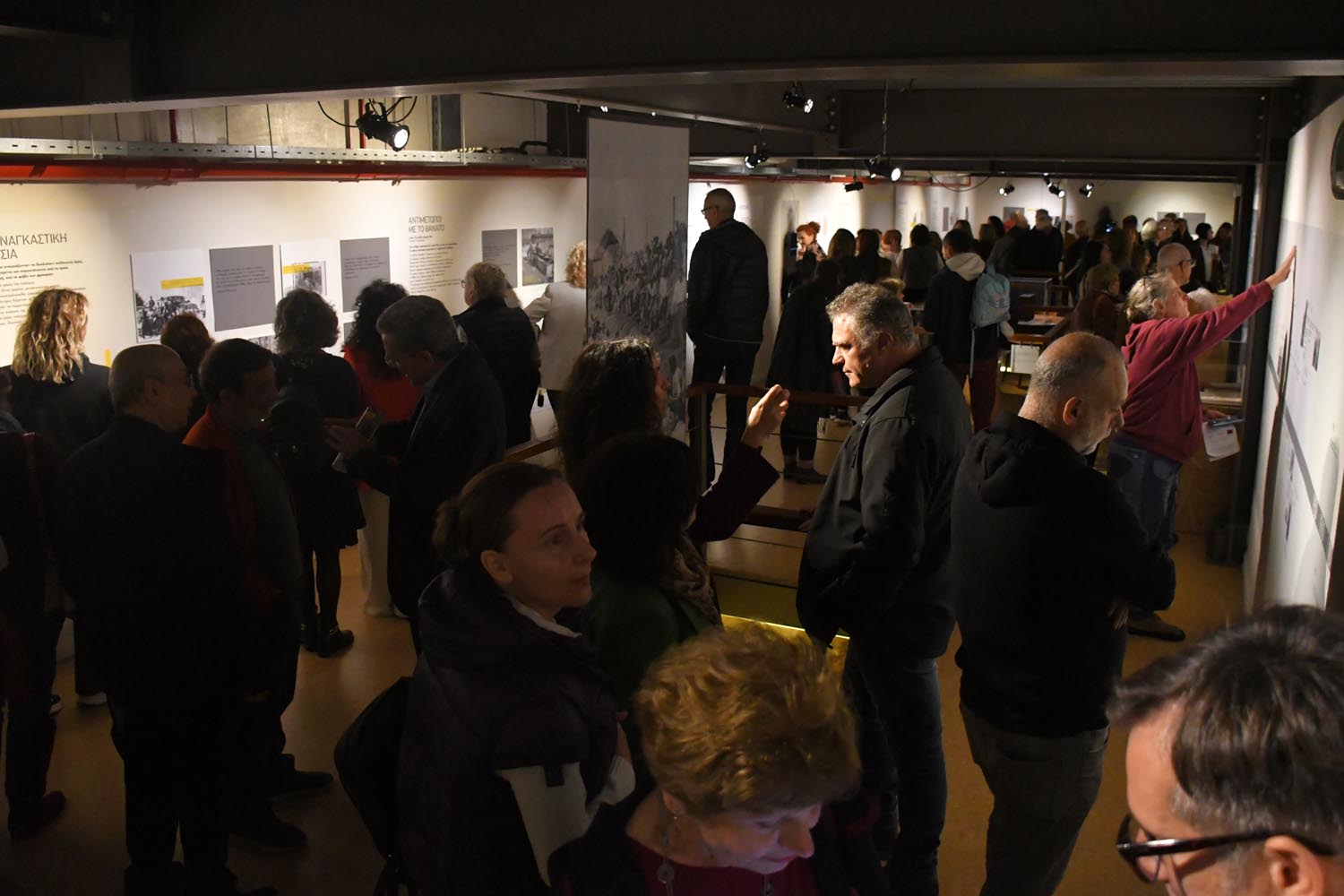

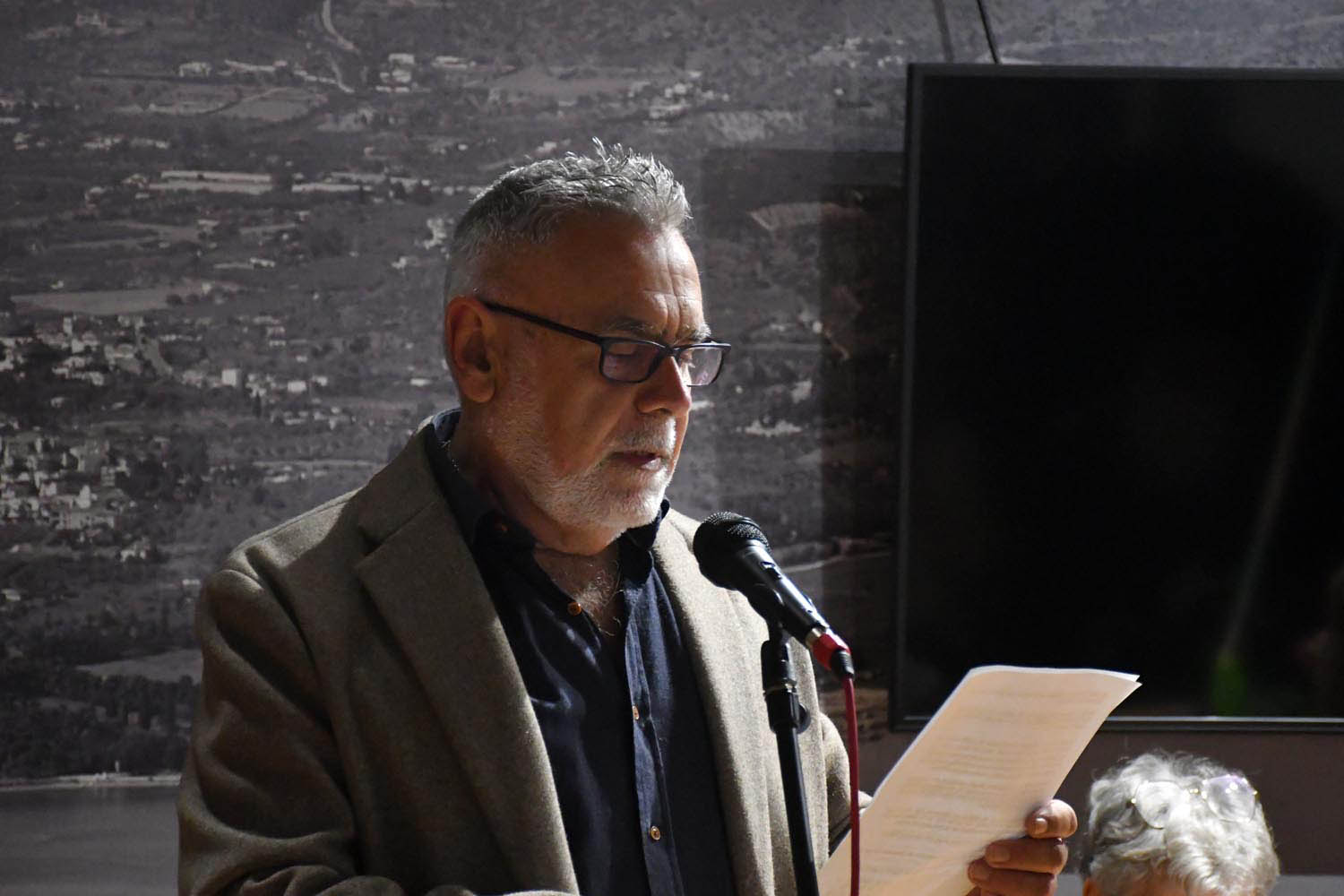
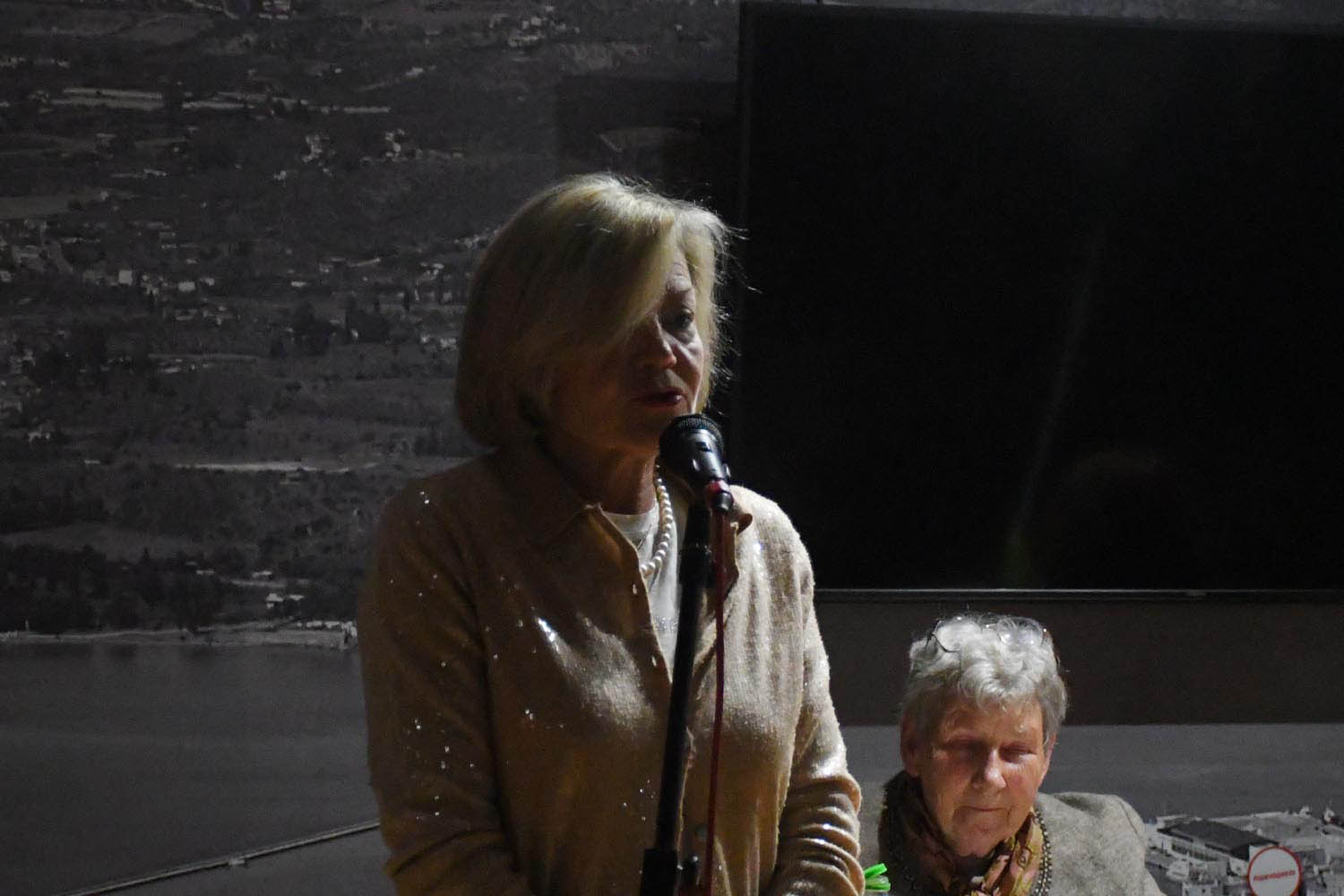
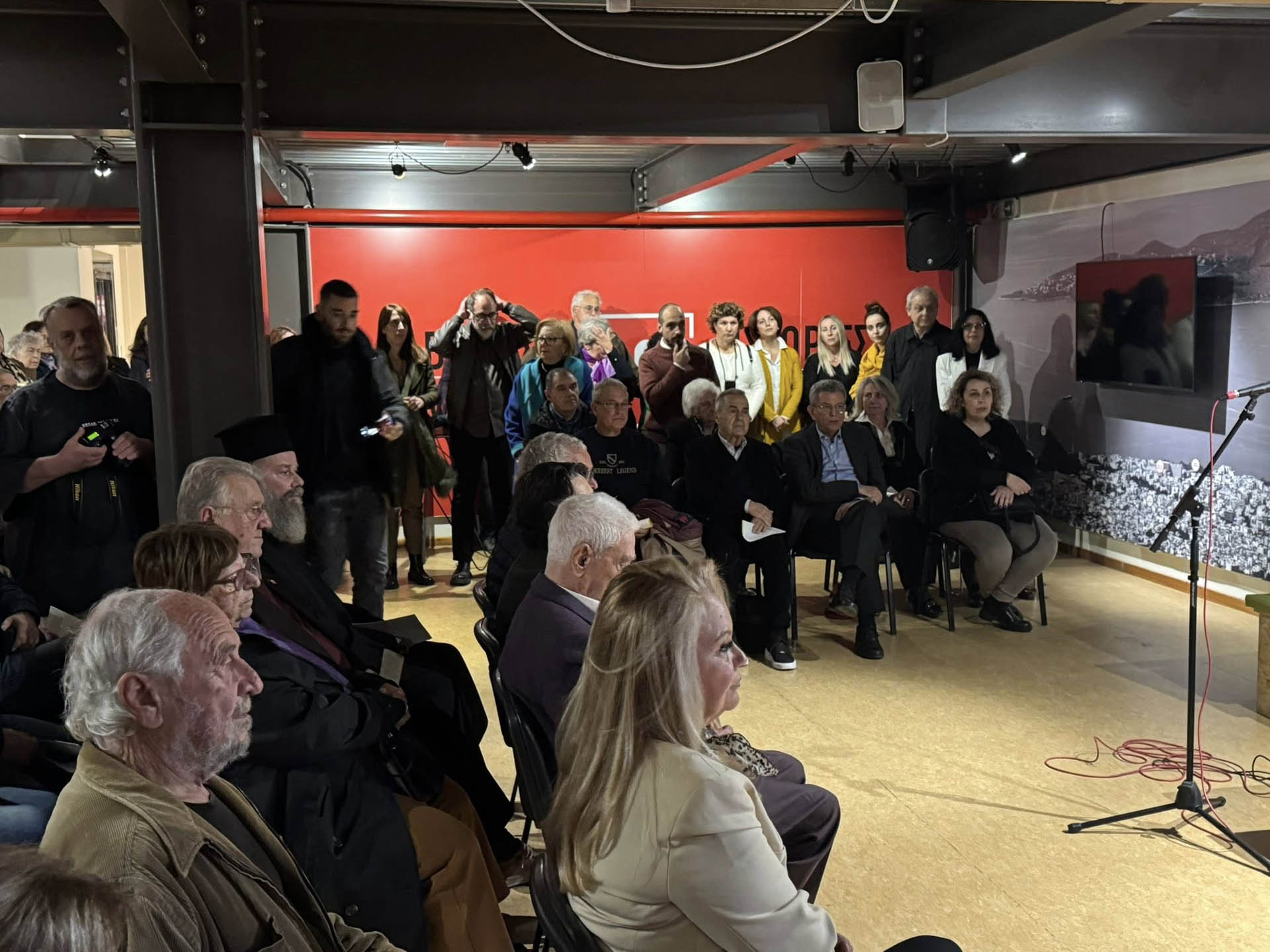
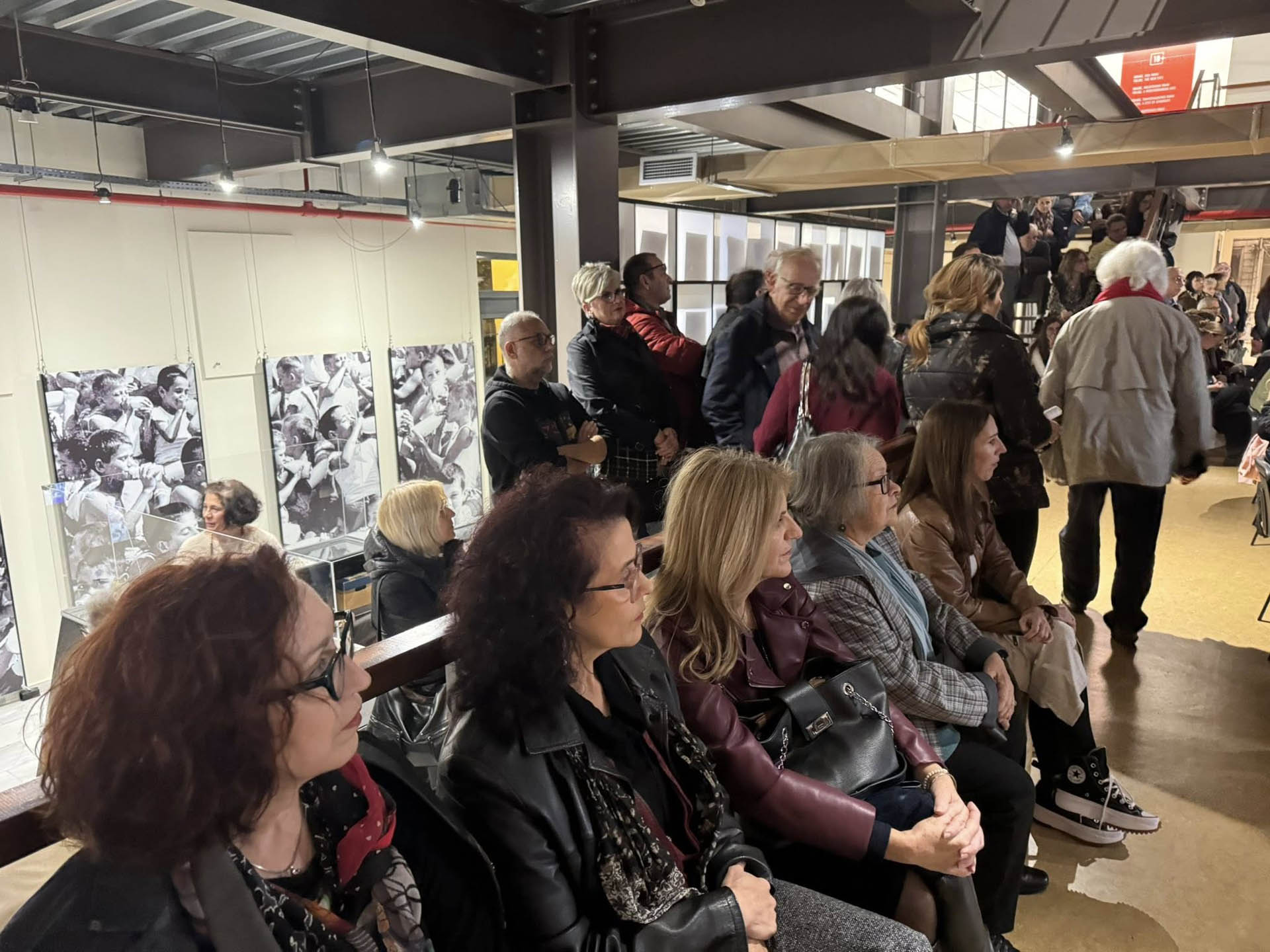
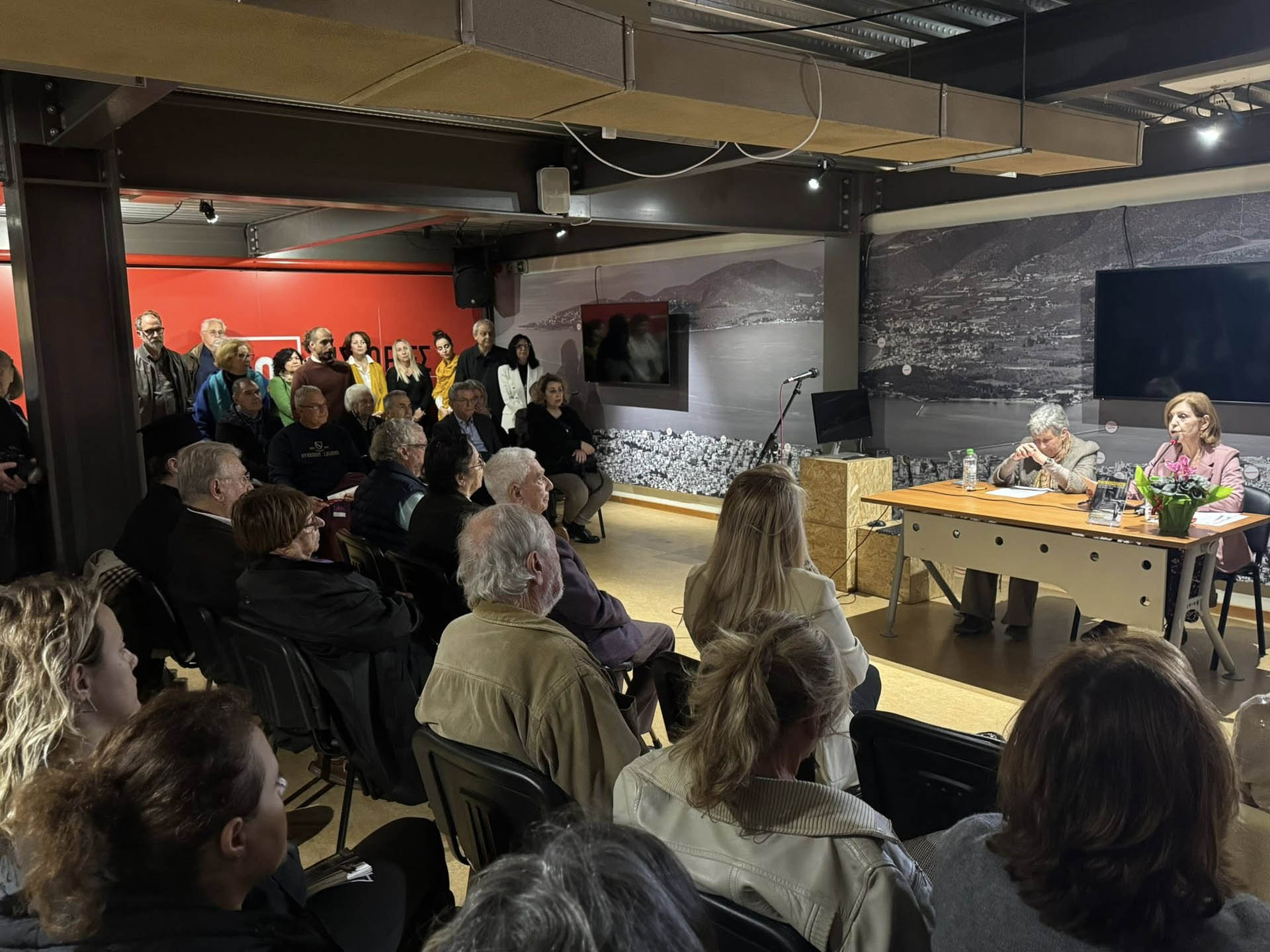
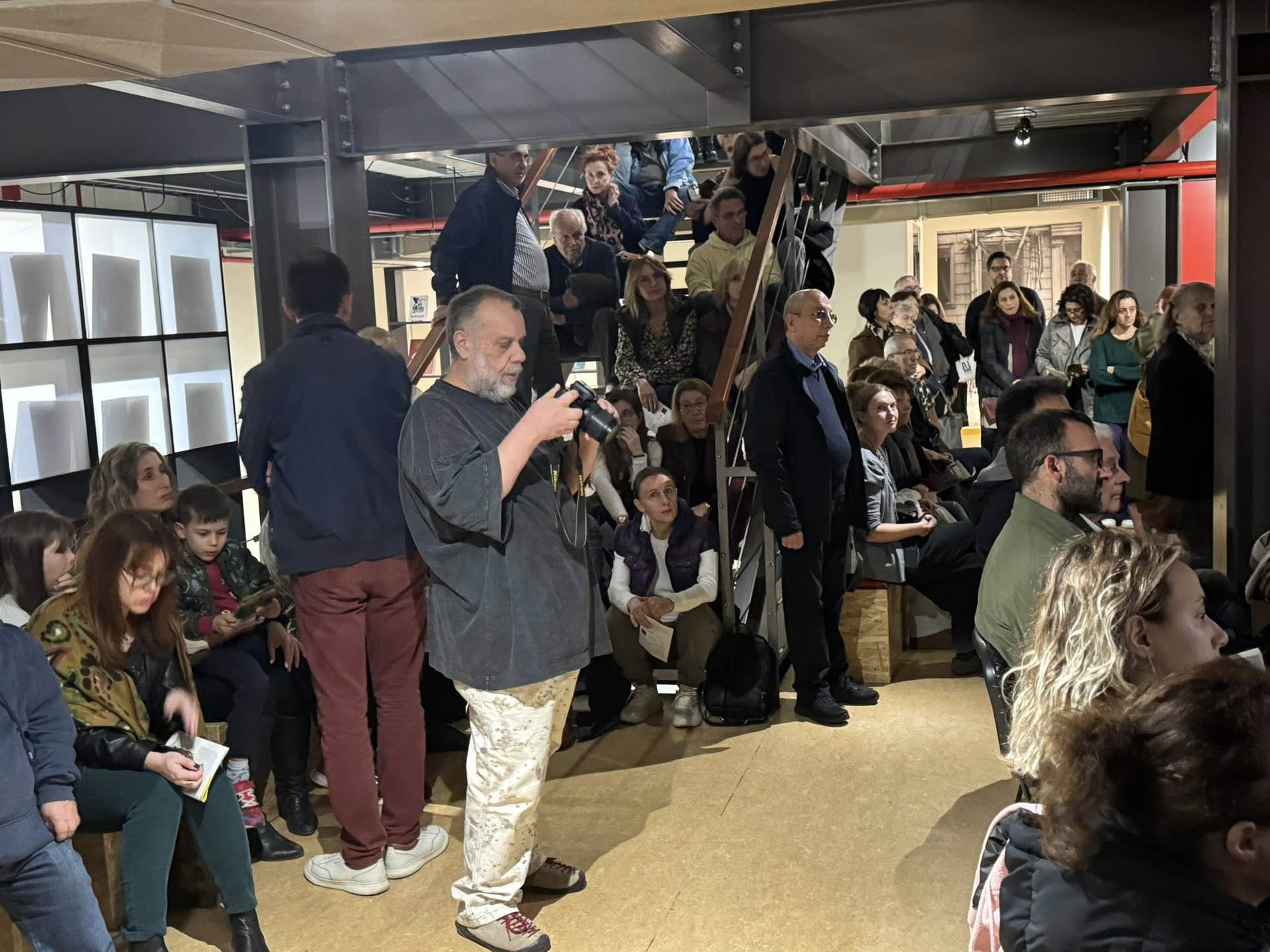
Exhibition Perspectives at the Volos City Museum
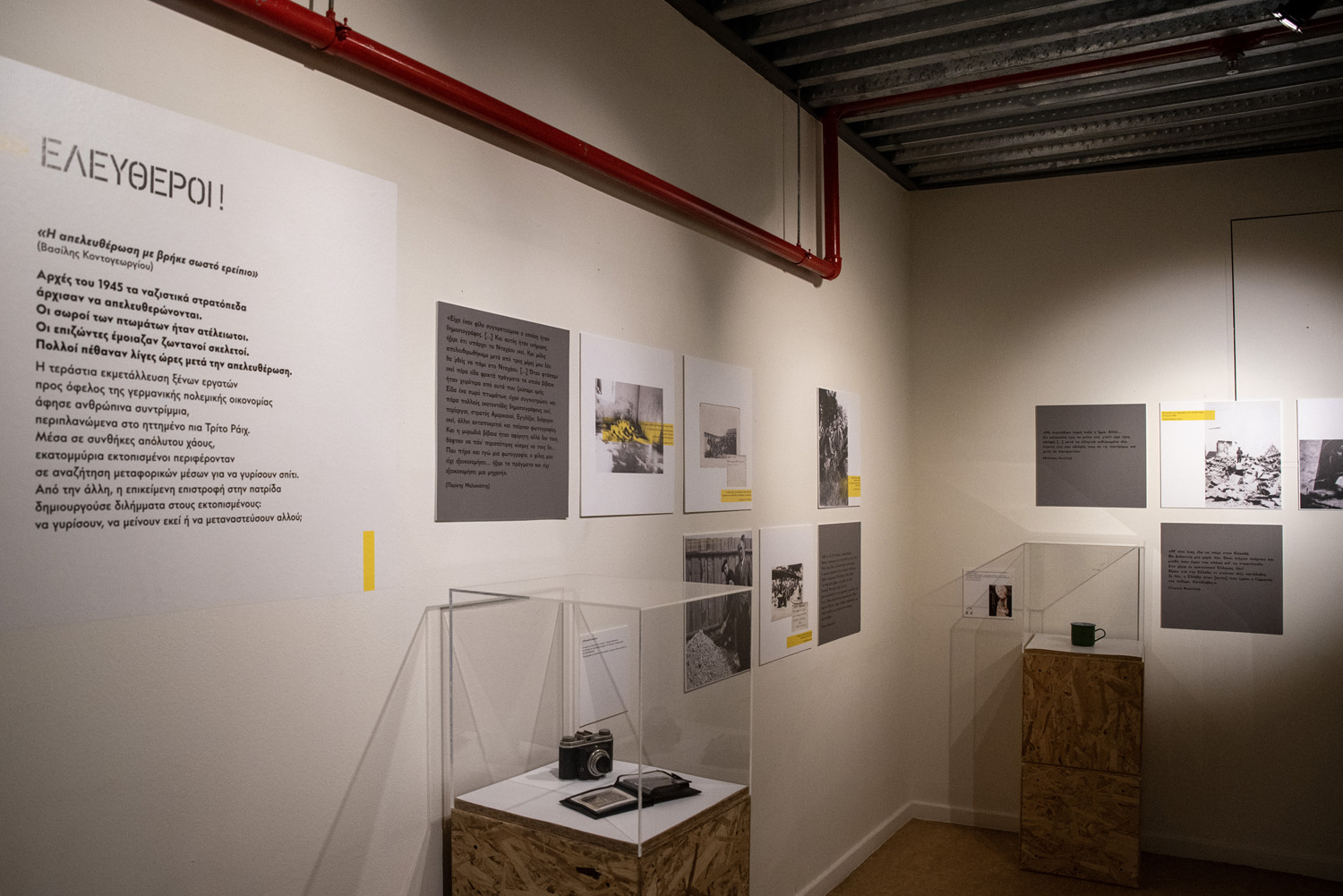
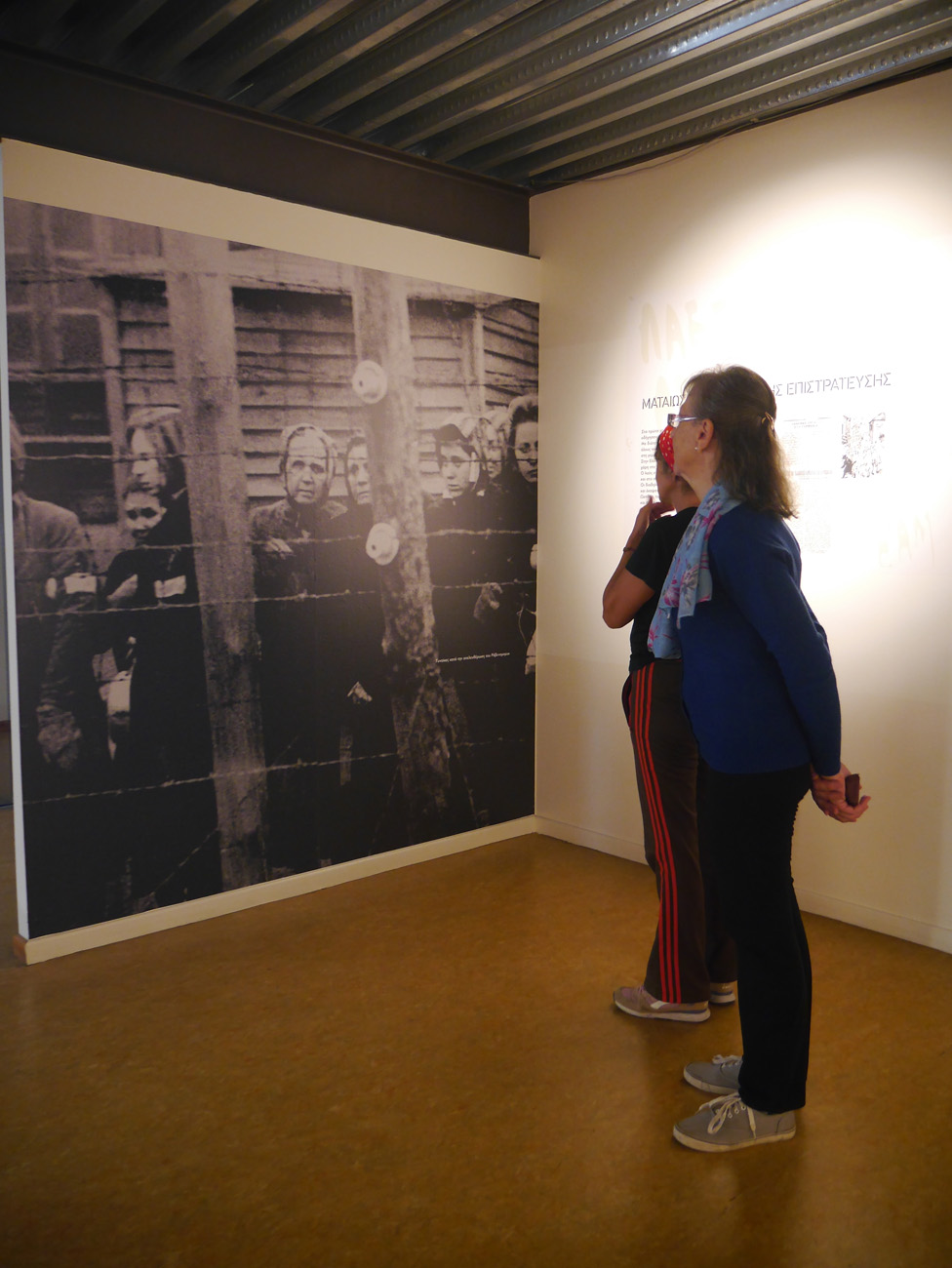
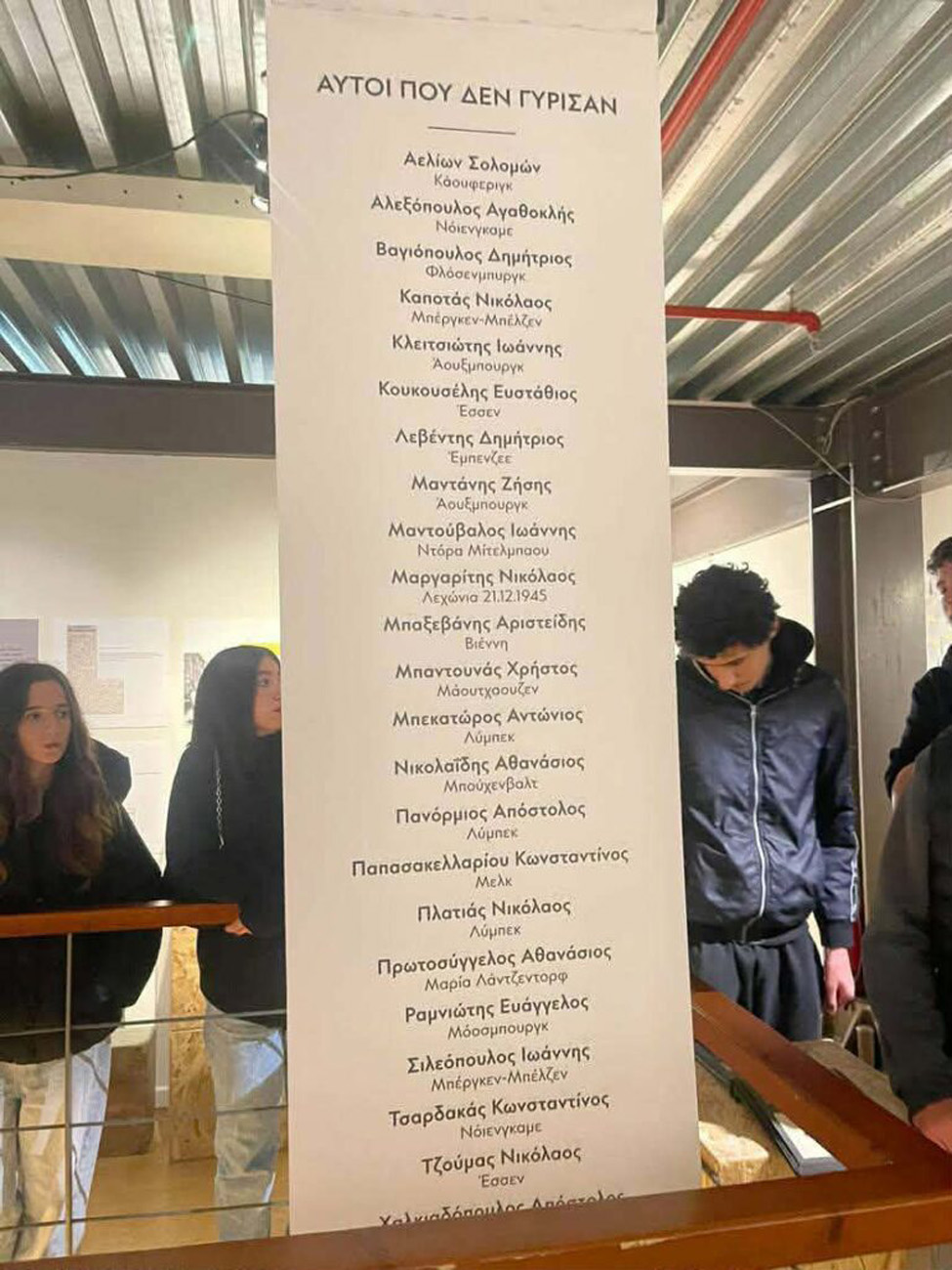
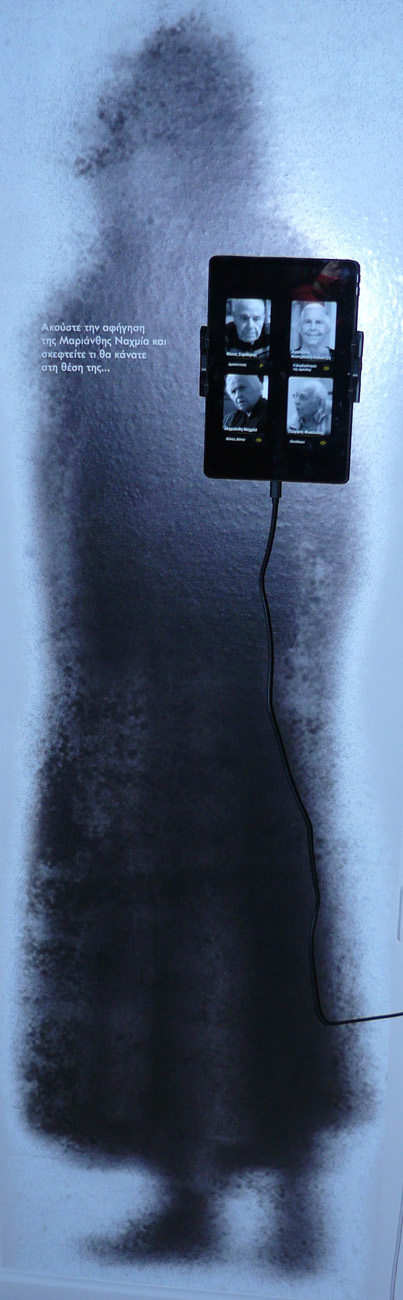
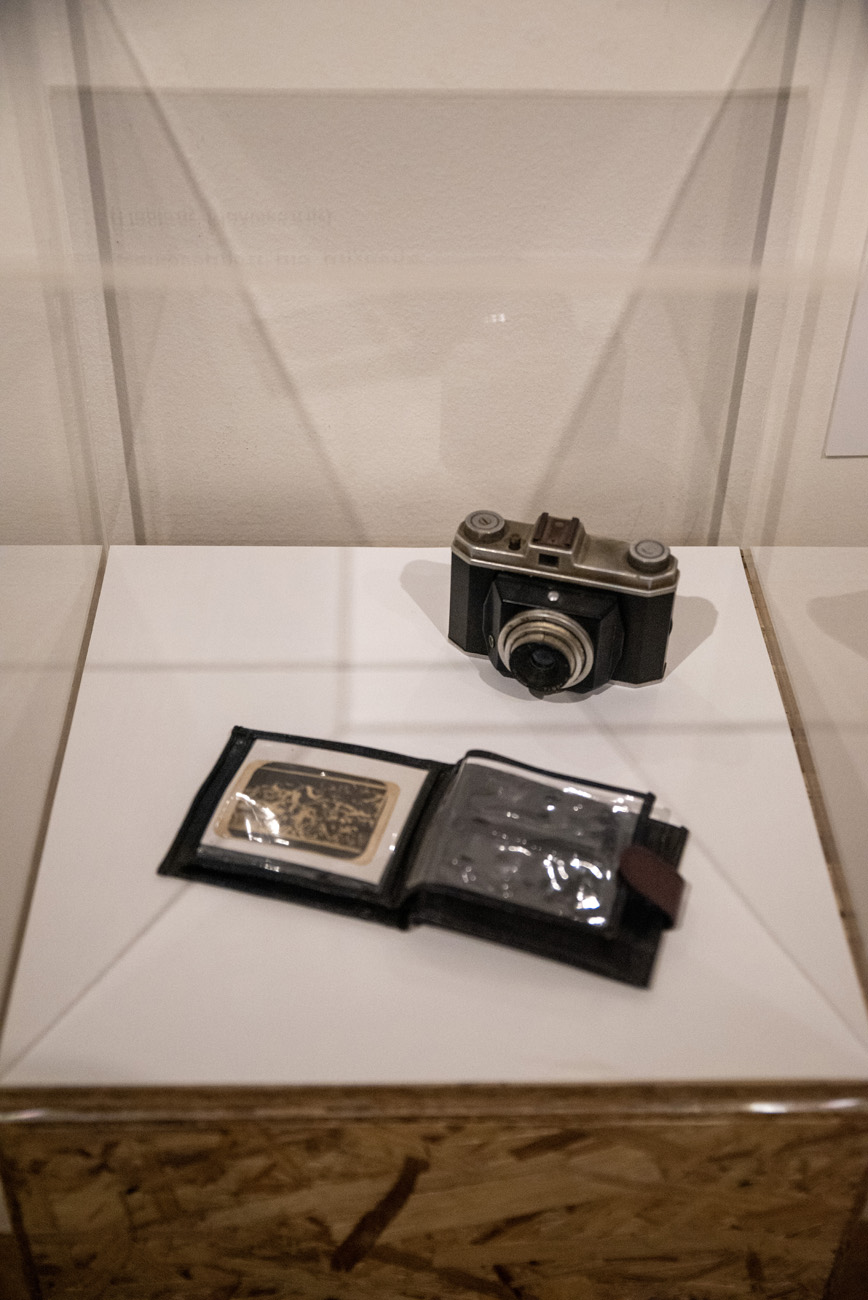
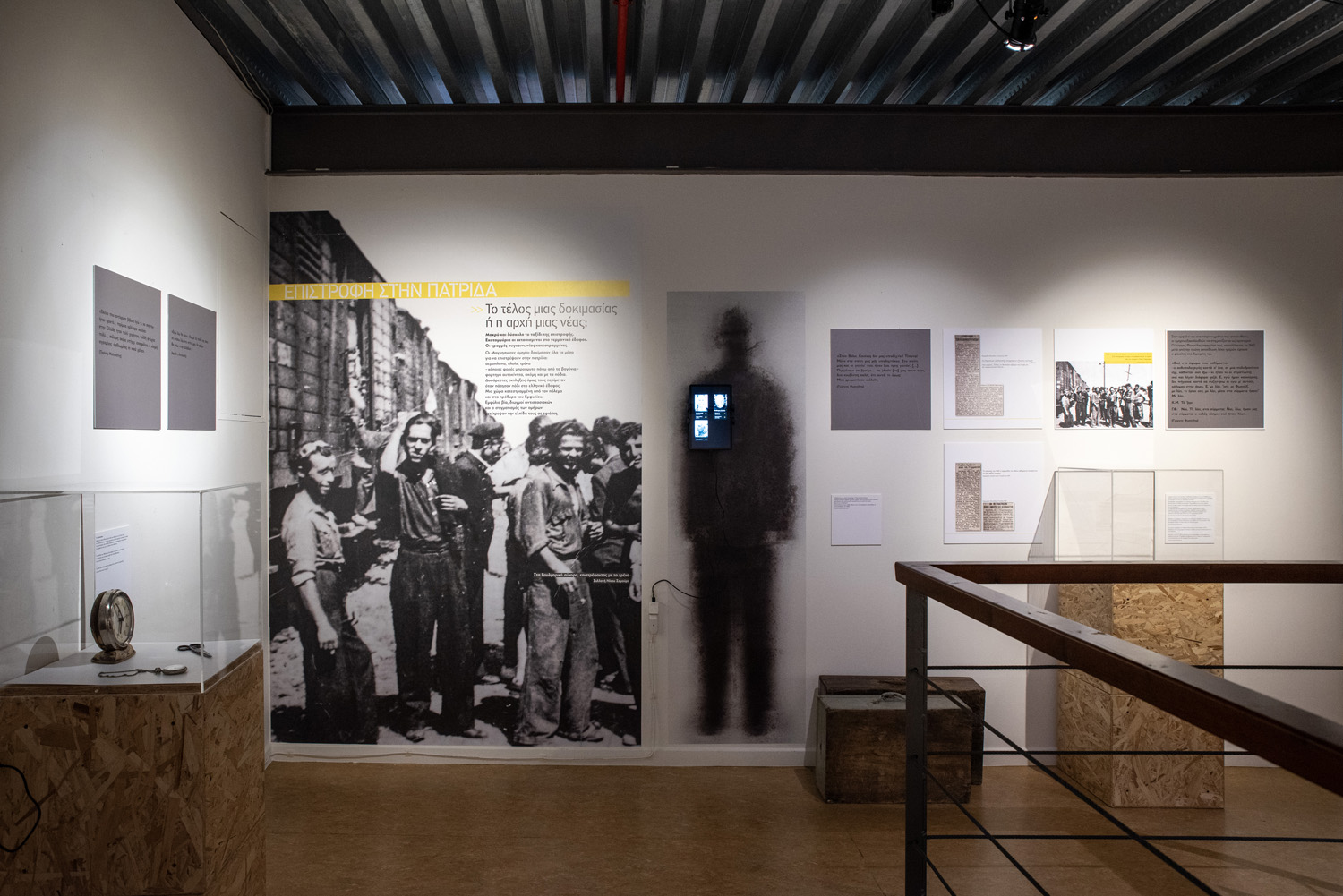
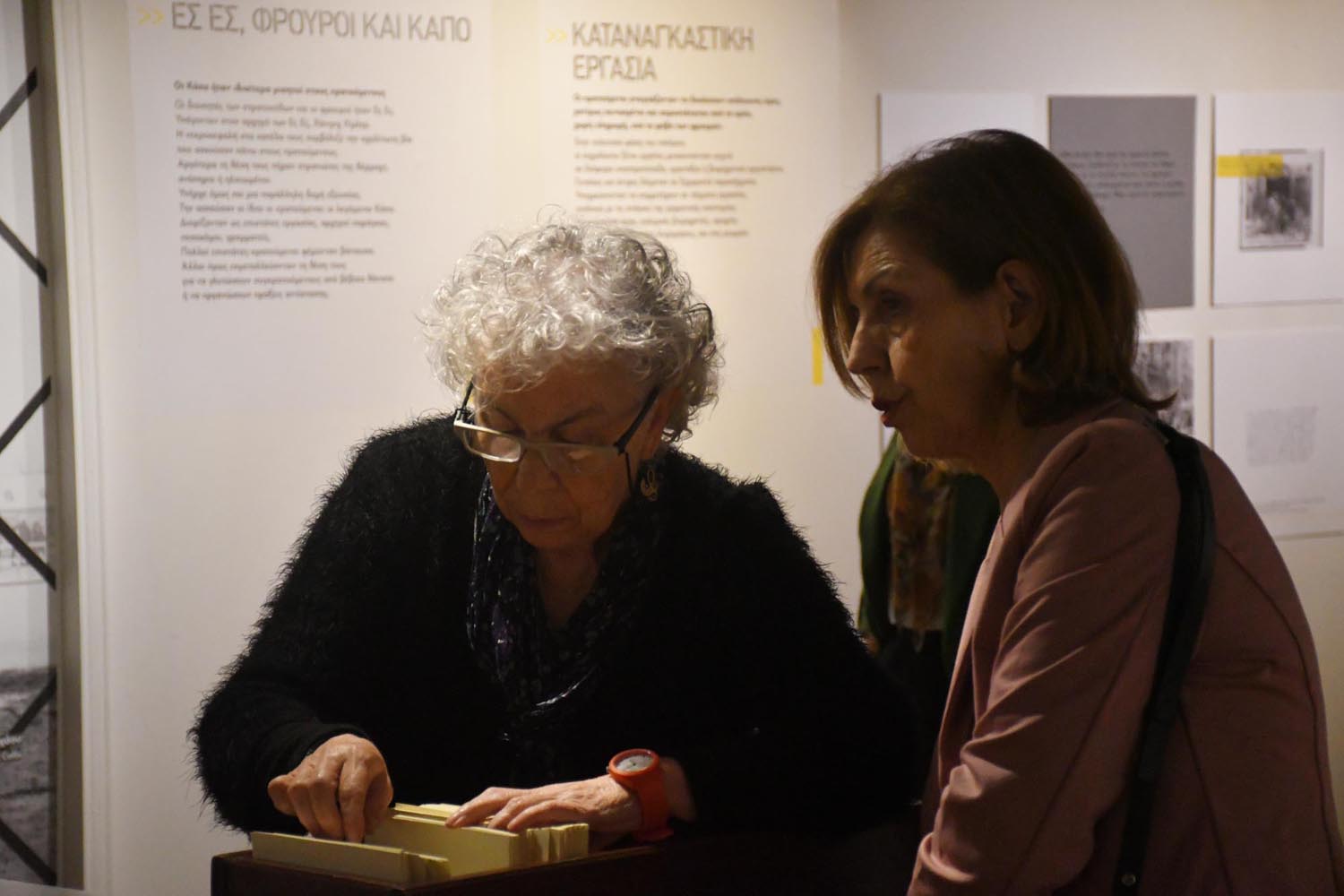
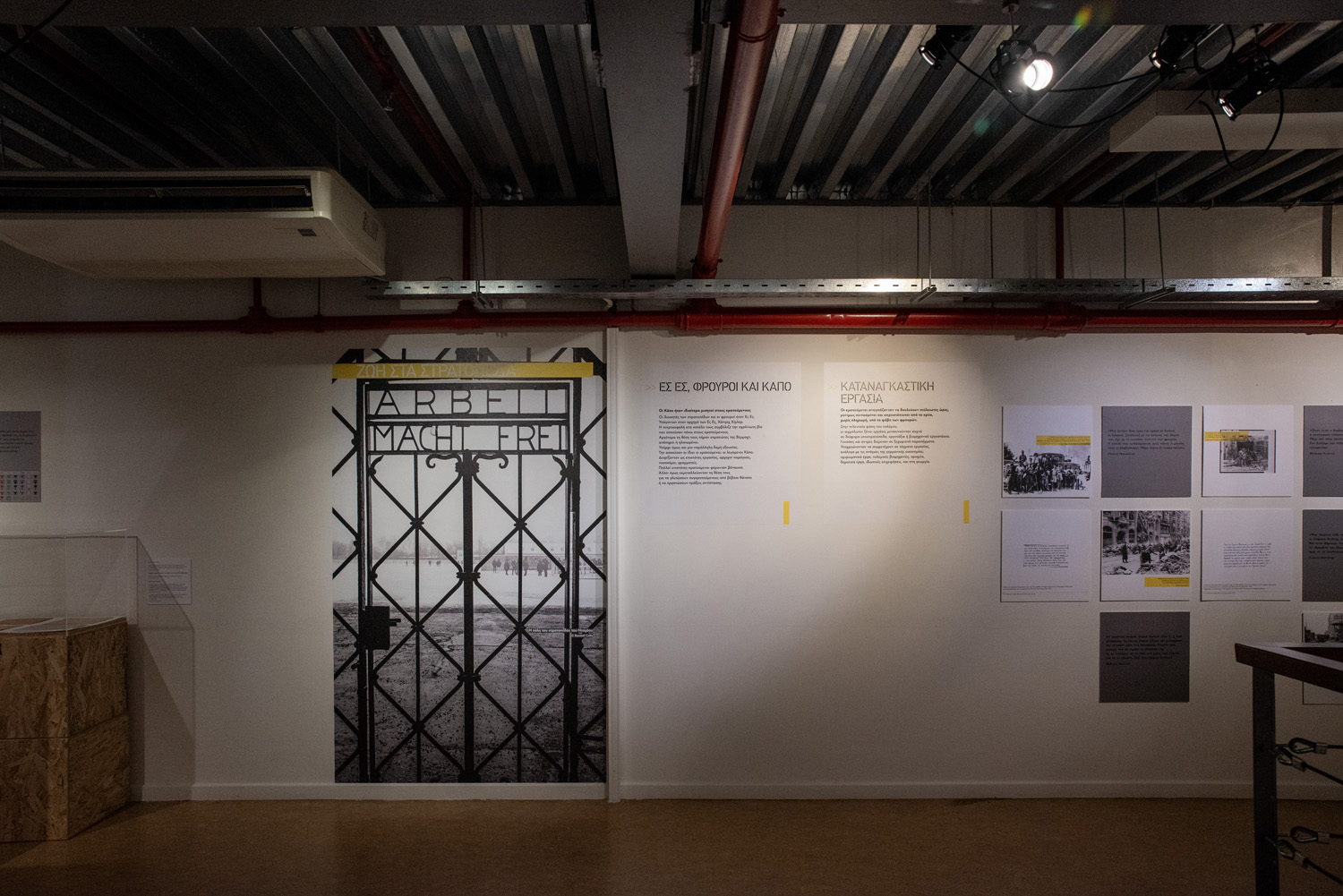
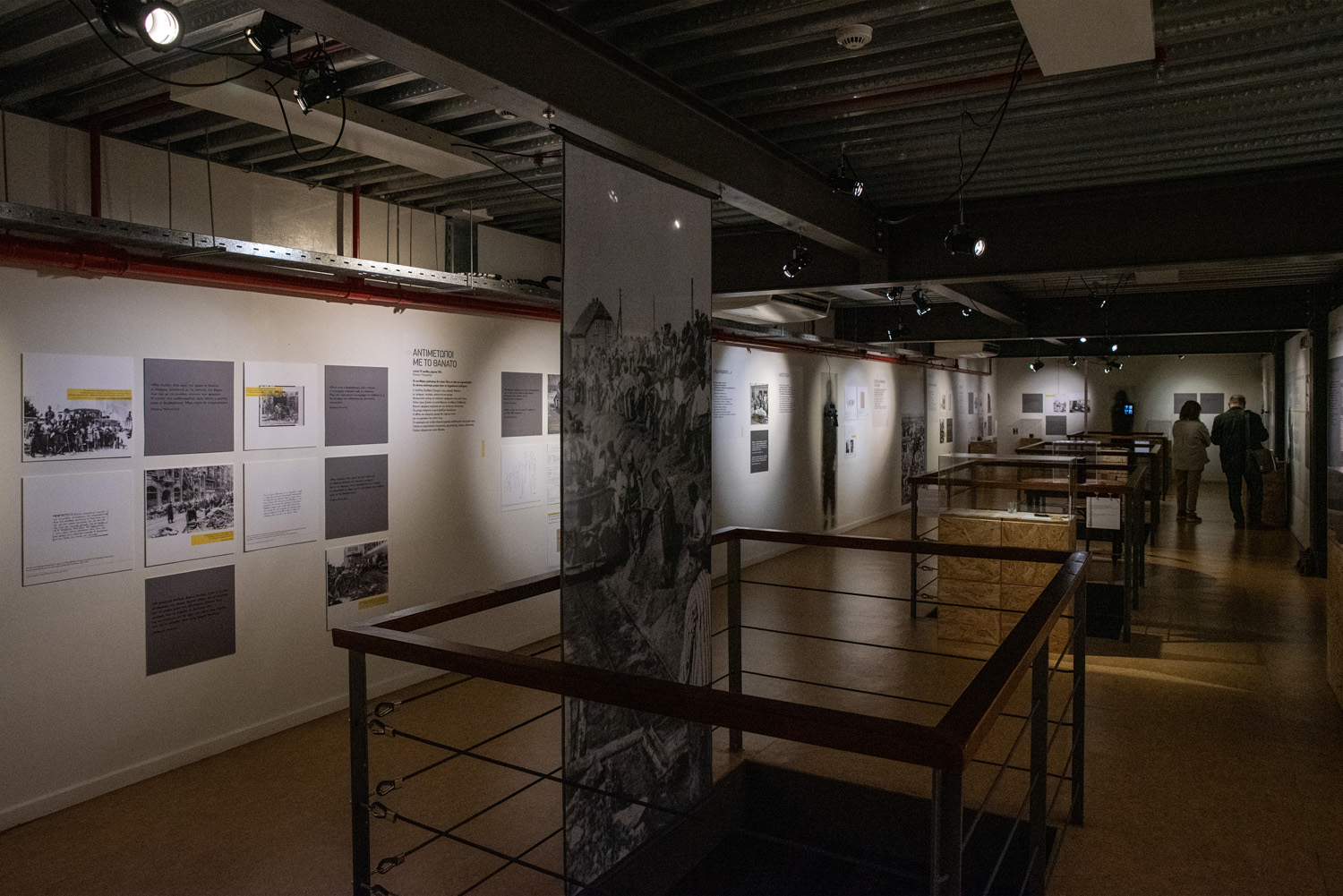
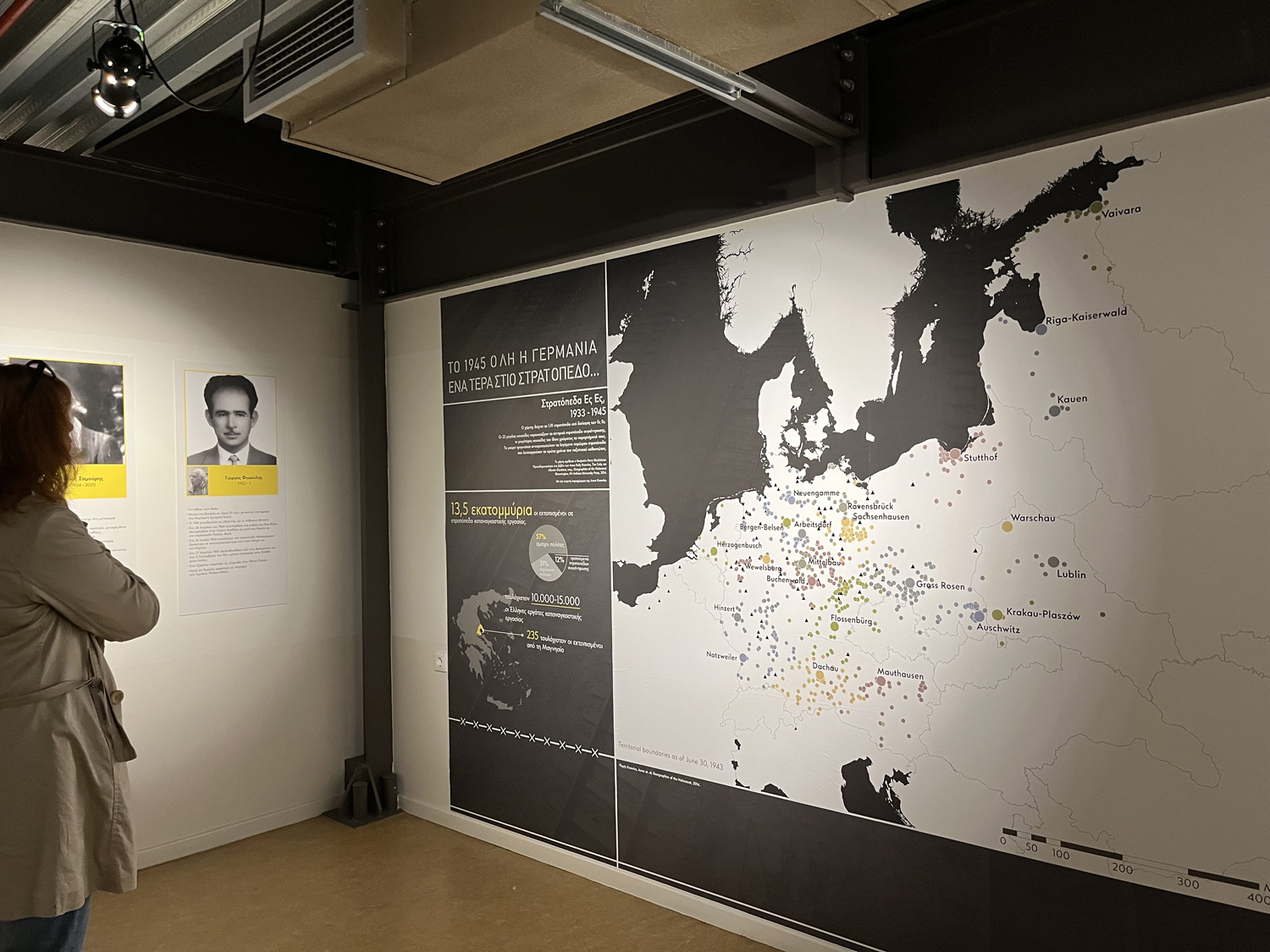
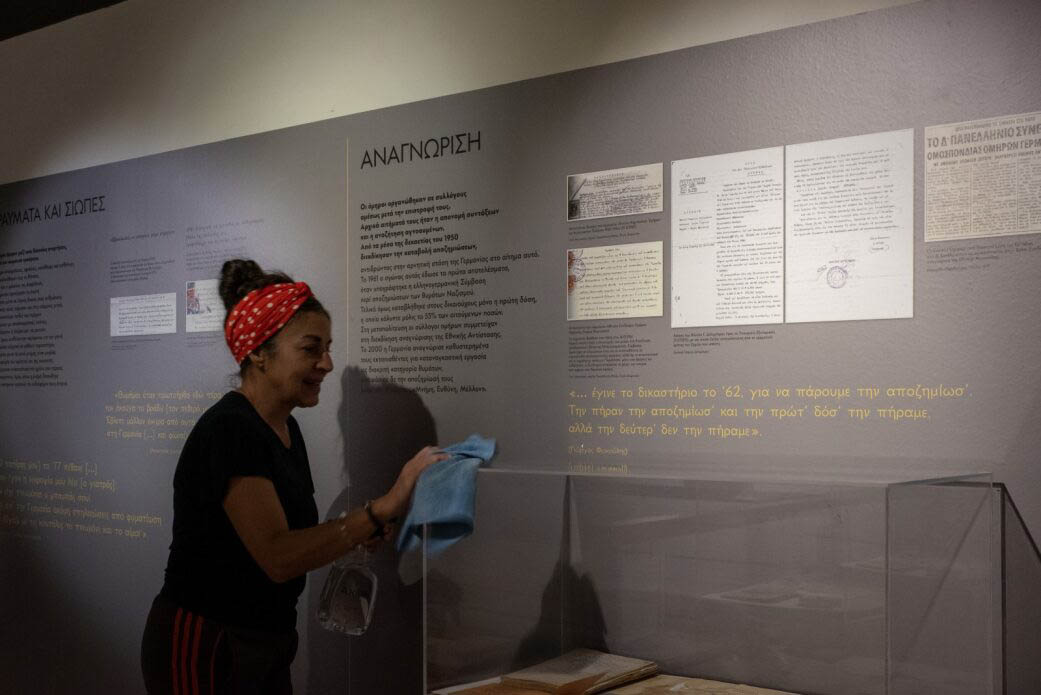
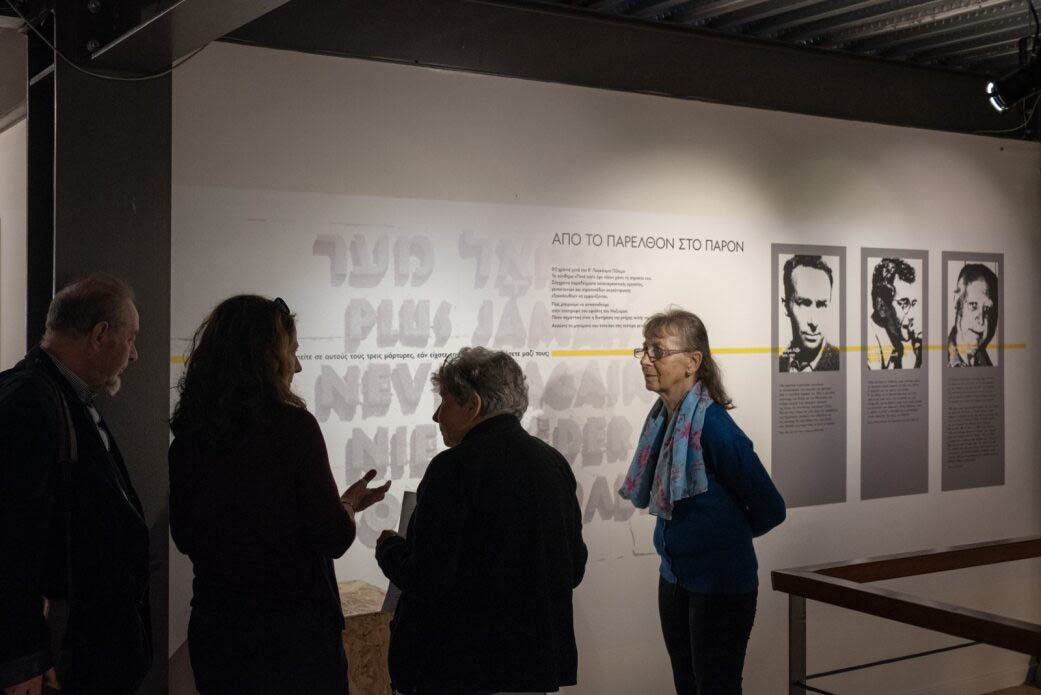
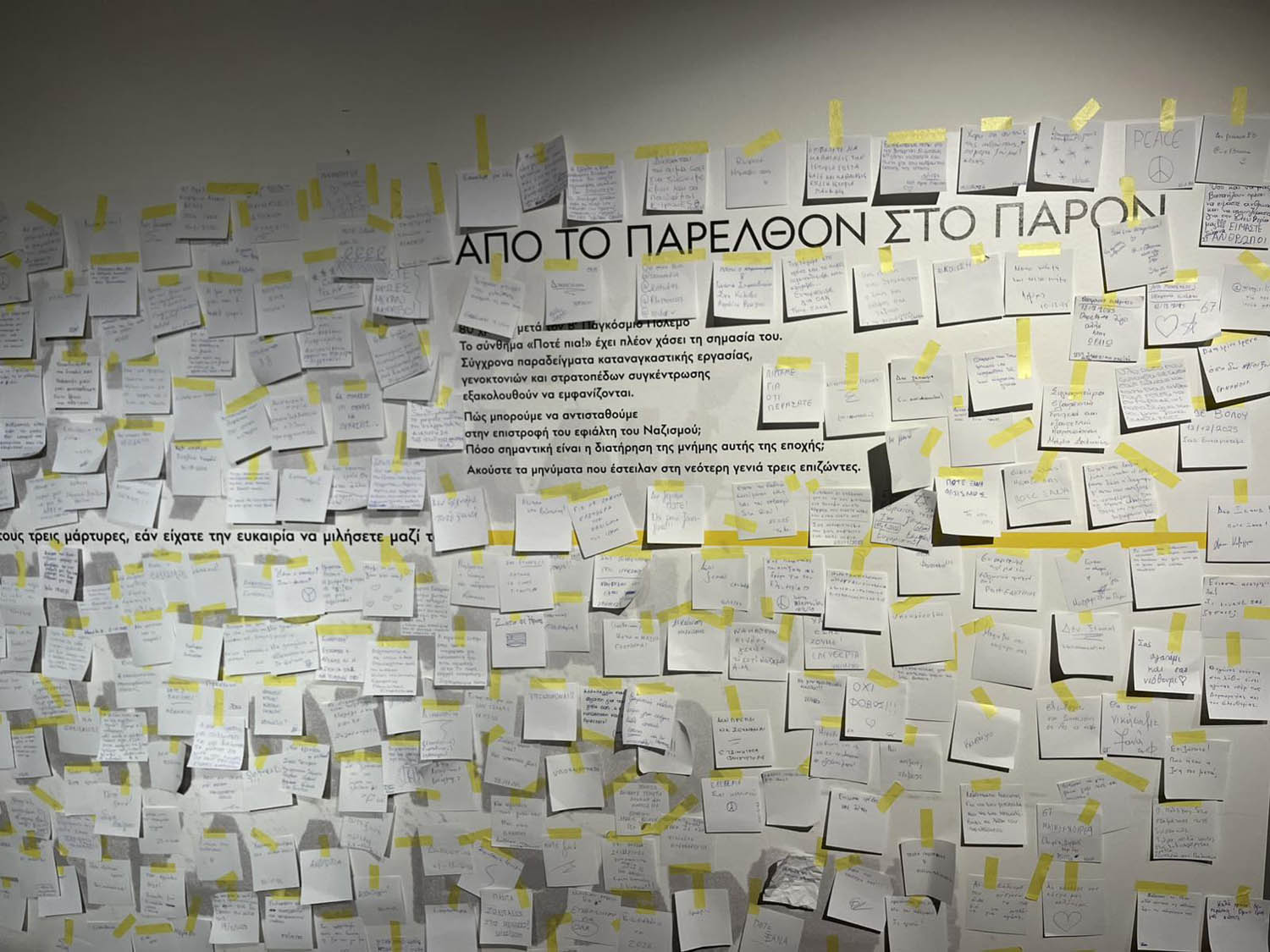
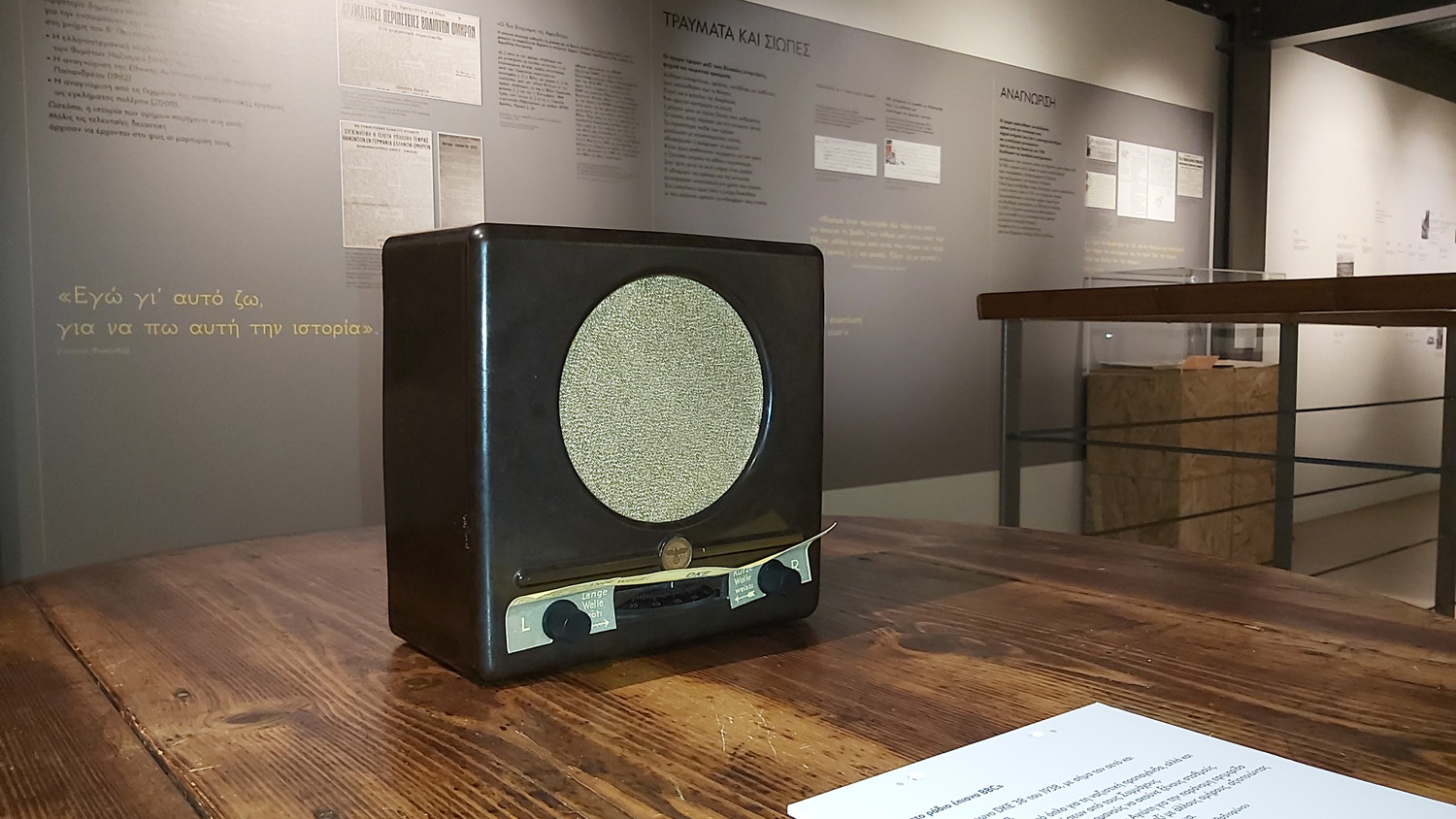
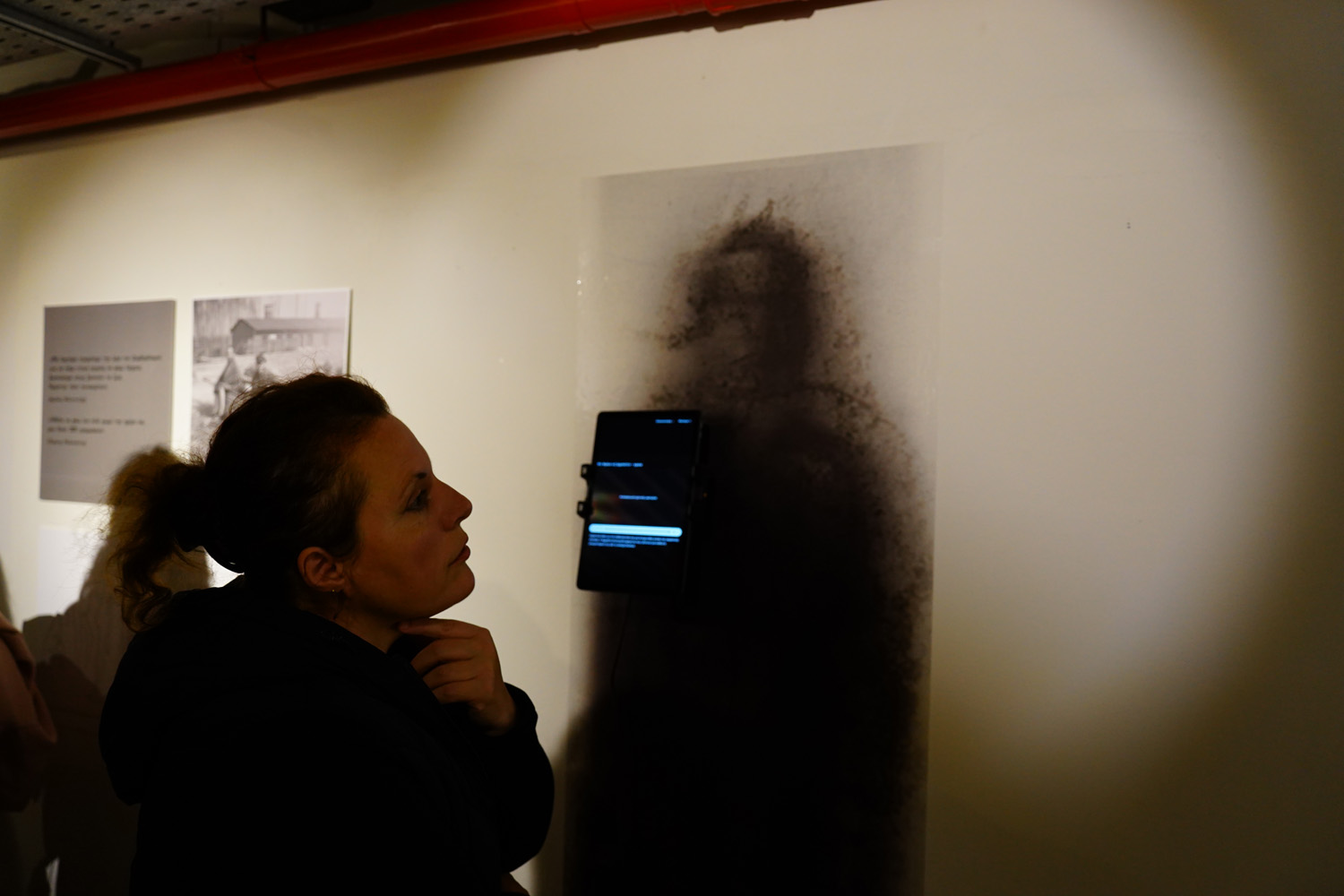
Highlights from the Guided Tours
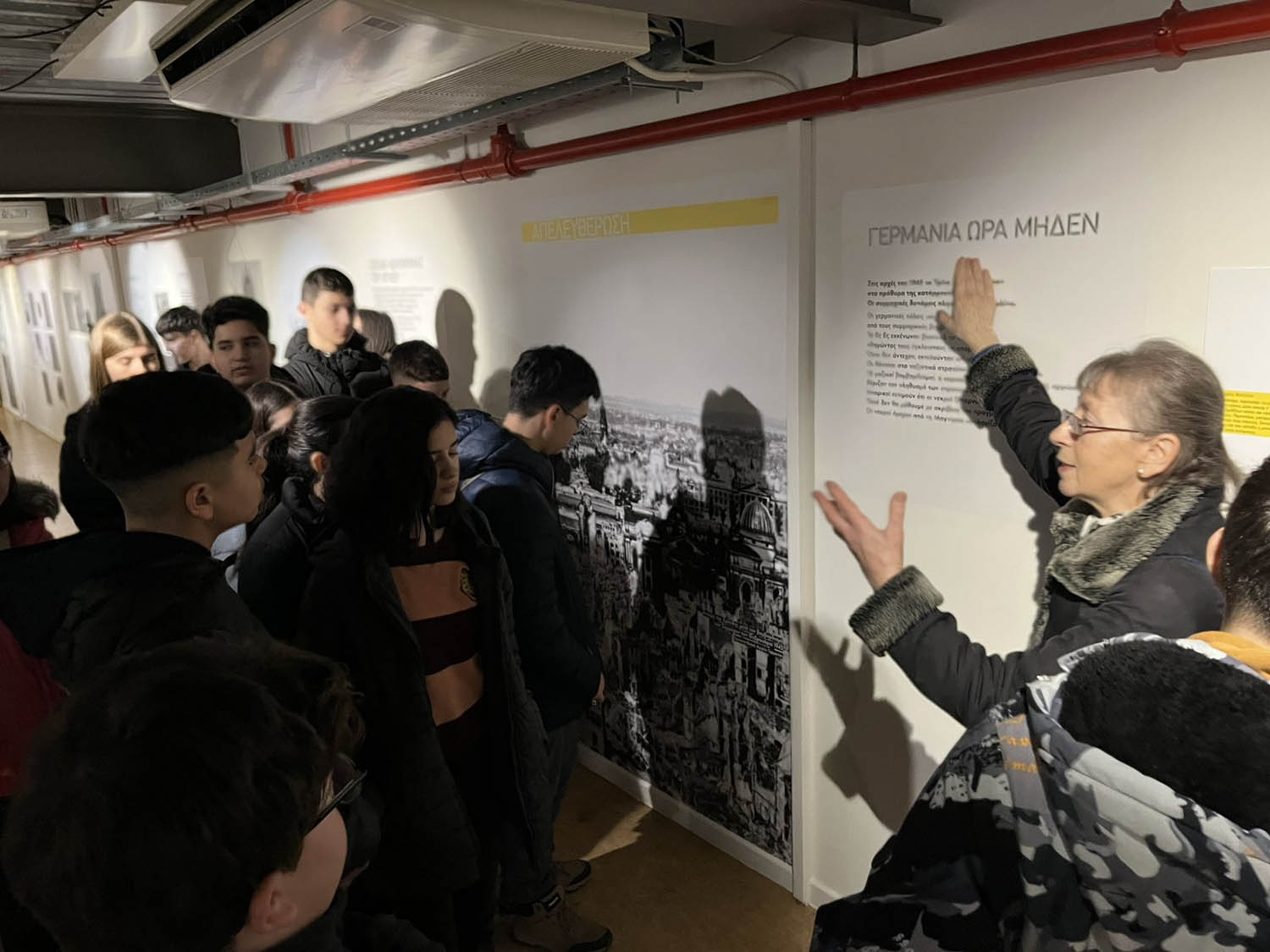
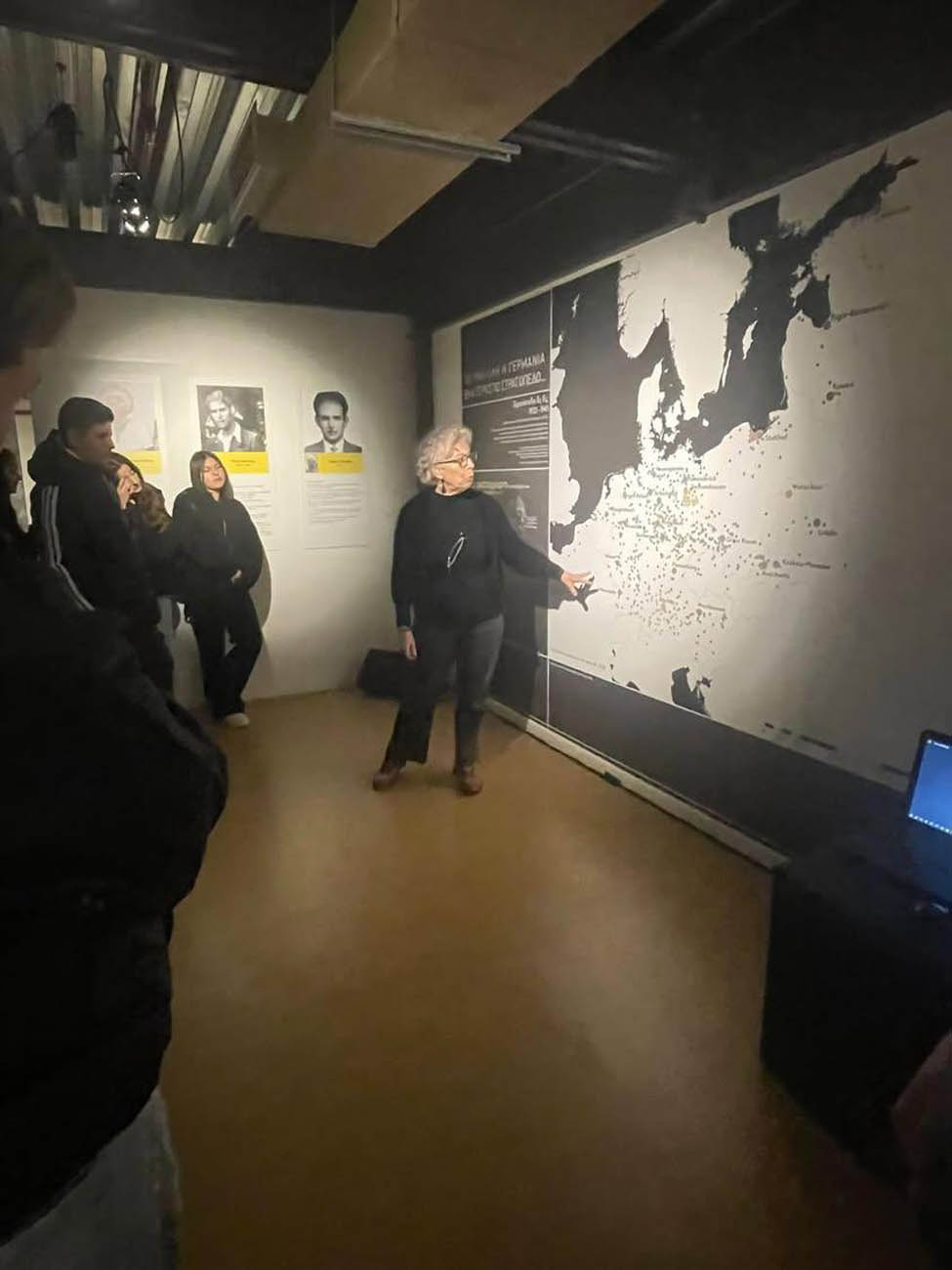
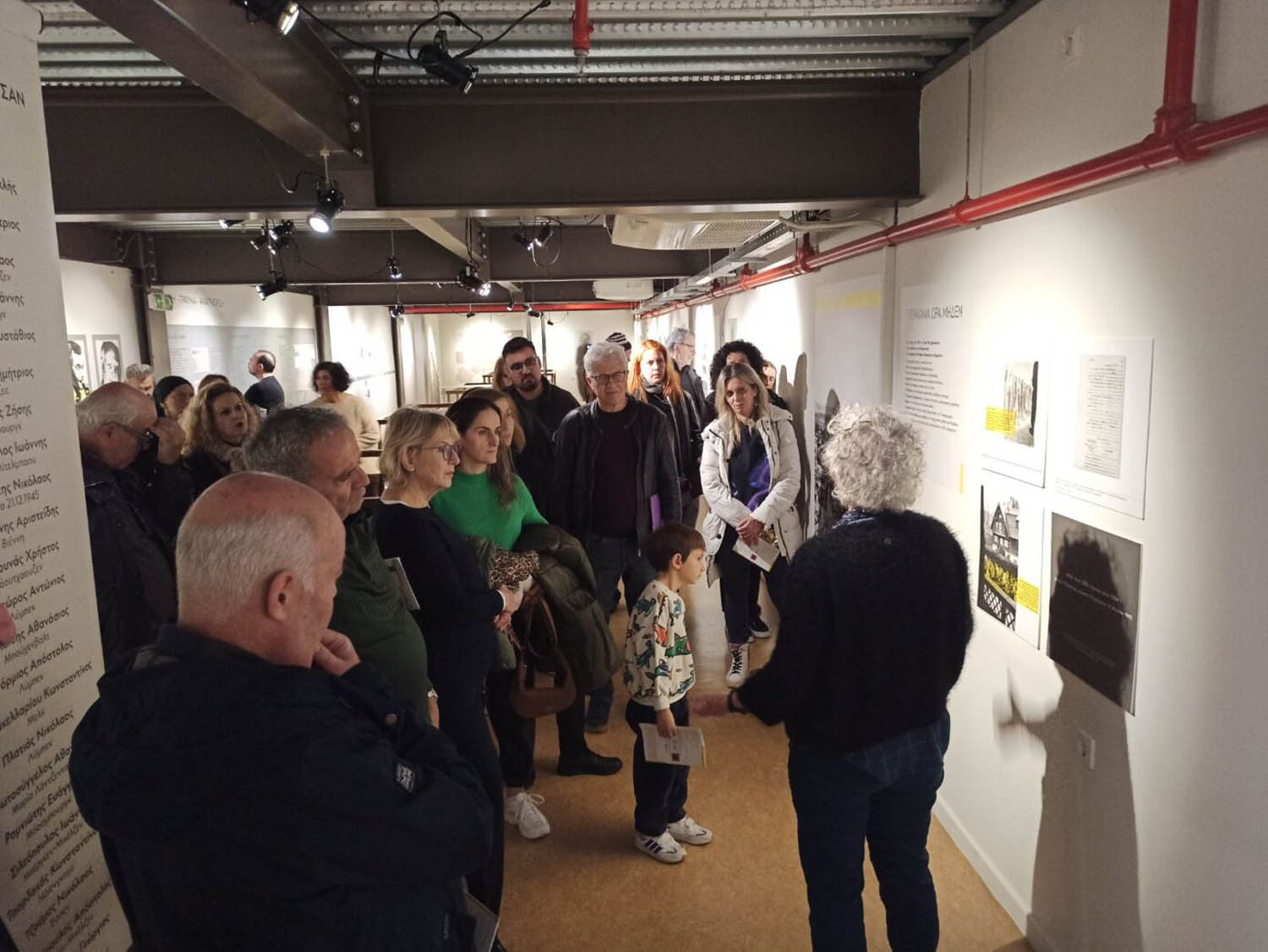
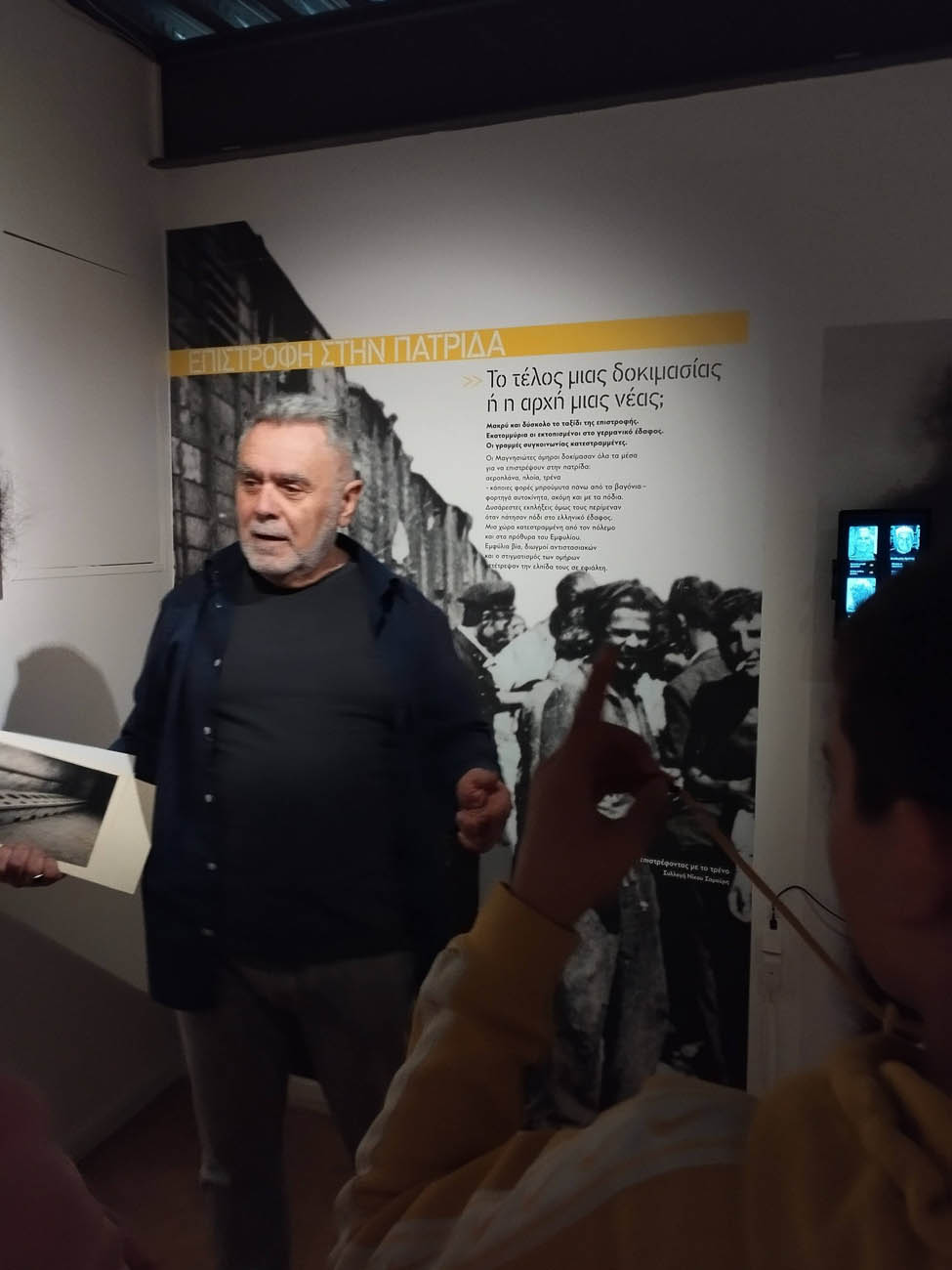
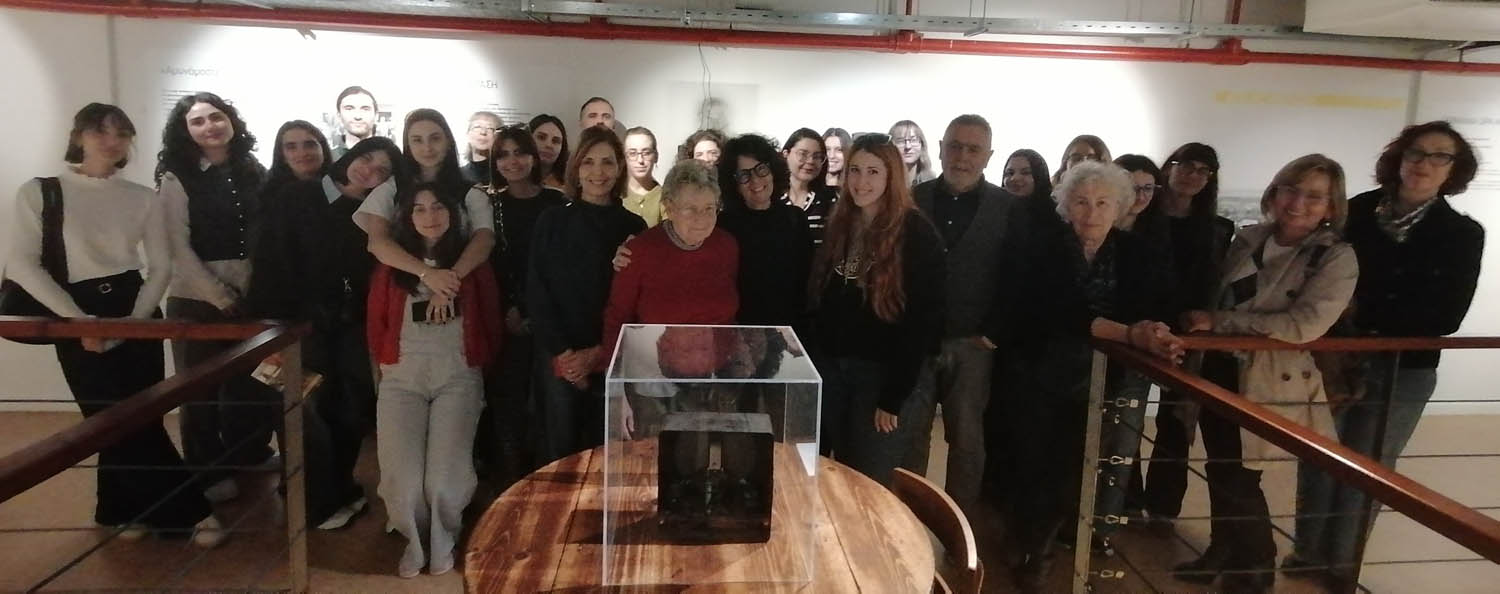
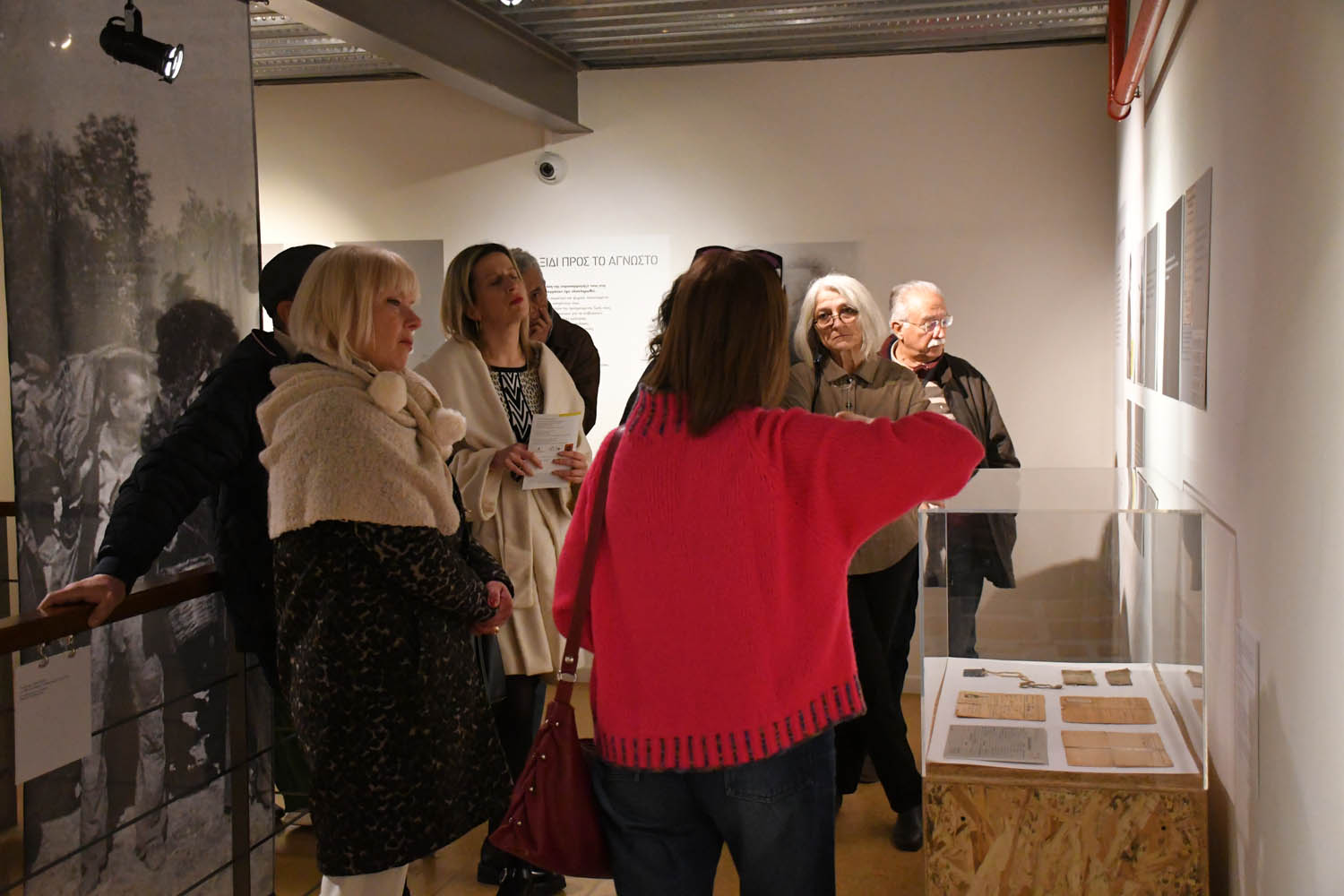
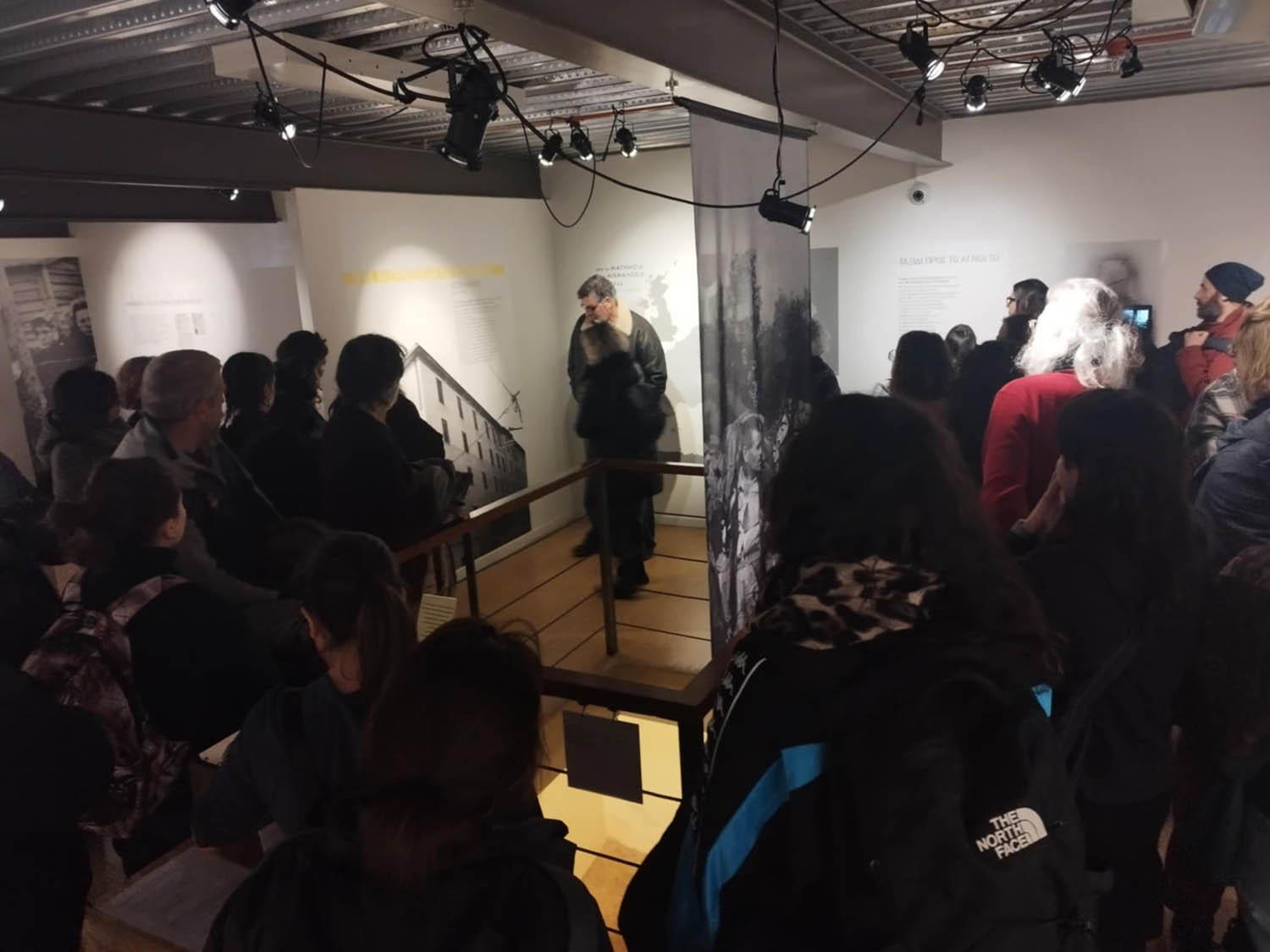
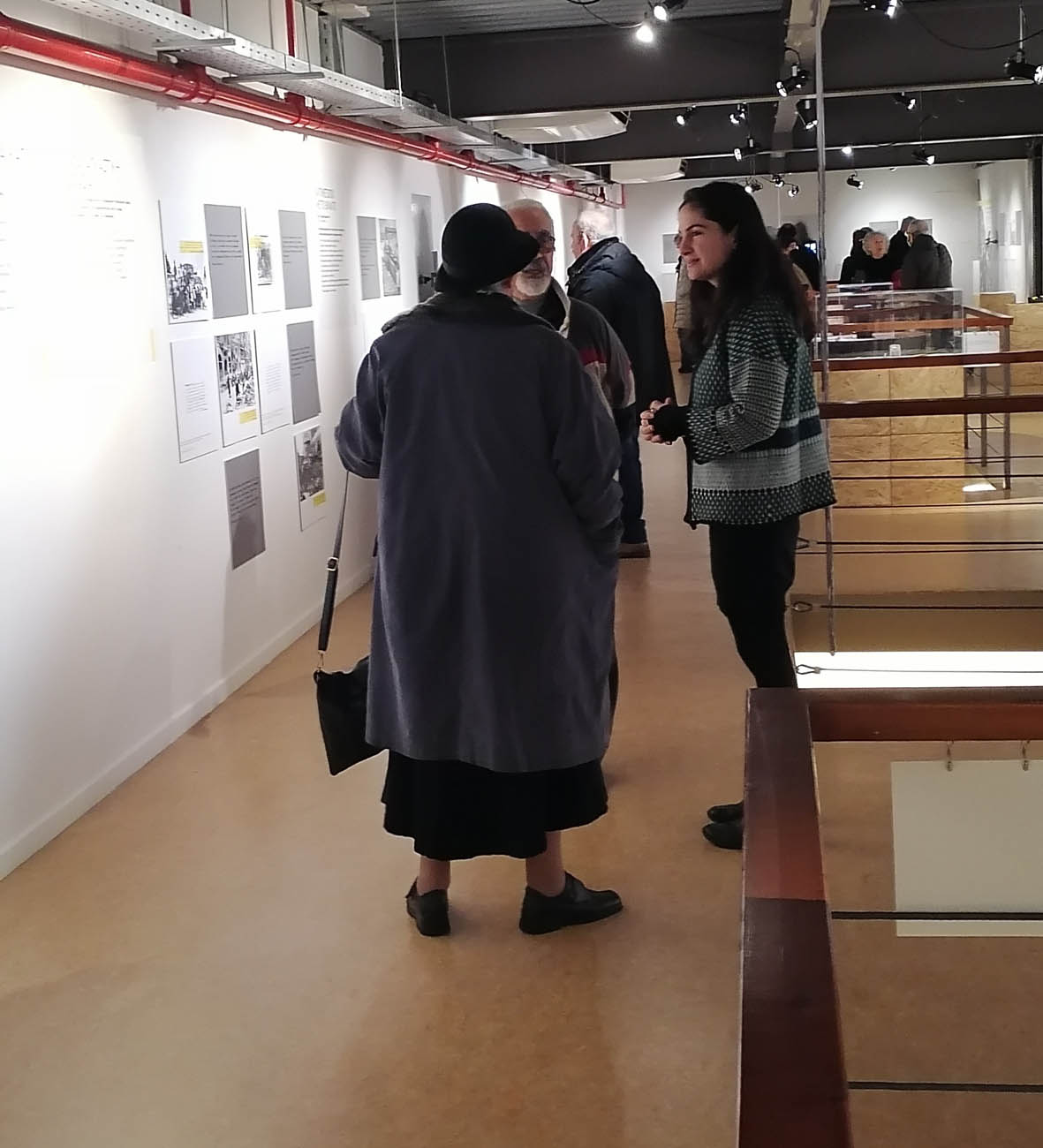
The daily guided tours, conducted by the research team of OPIVO and members of the “Citizens for the Volos City Museum” association, played a pivotal role in the exhibition’s success.
These tours were primarily designed for organized groups, including cultural and athletic associations, oral history groups, and museum enthusiast societies. However, they also attracted many casual visitors and tourists—both international and local—providing them with a unique opportunity to uncover this previously unknown chapter of local history.


Highlights from the Theatrical Performance
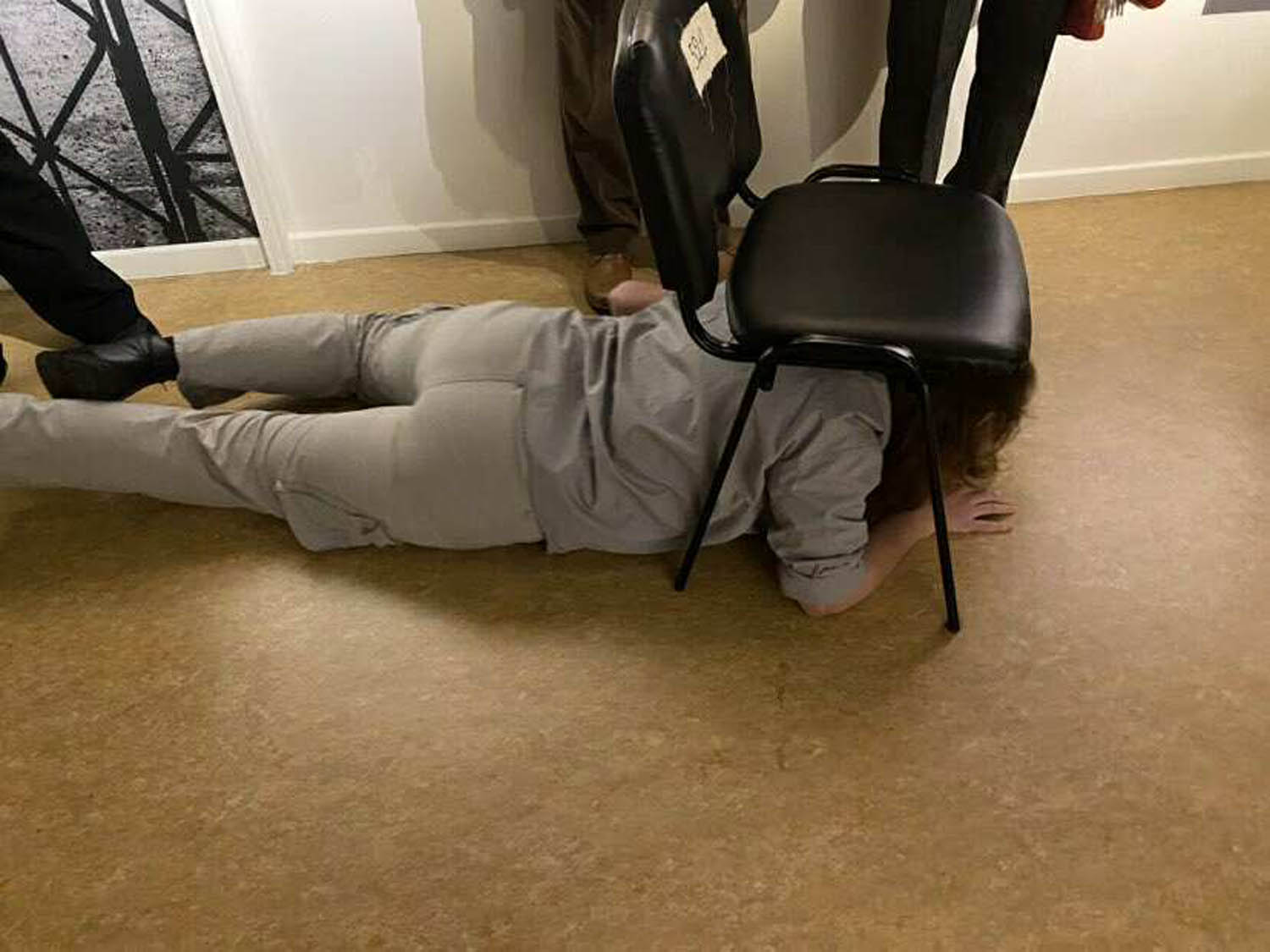
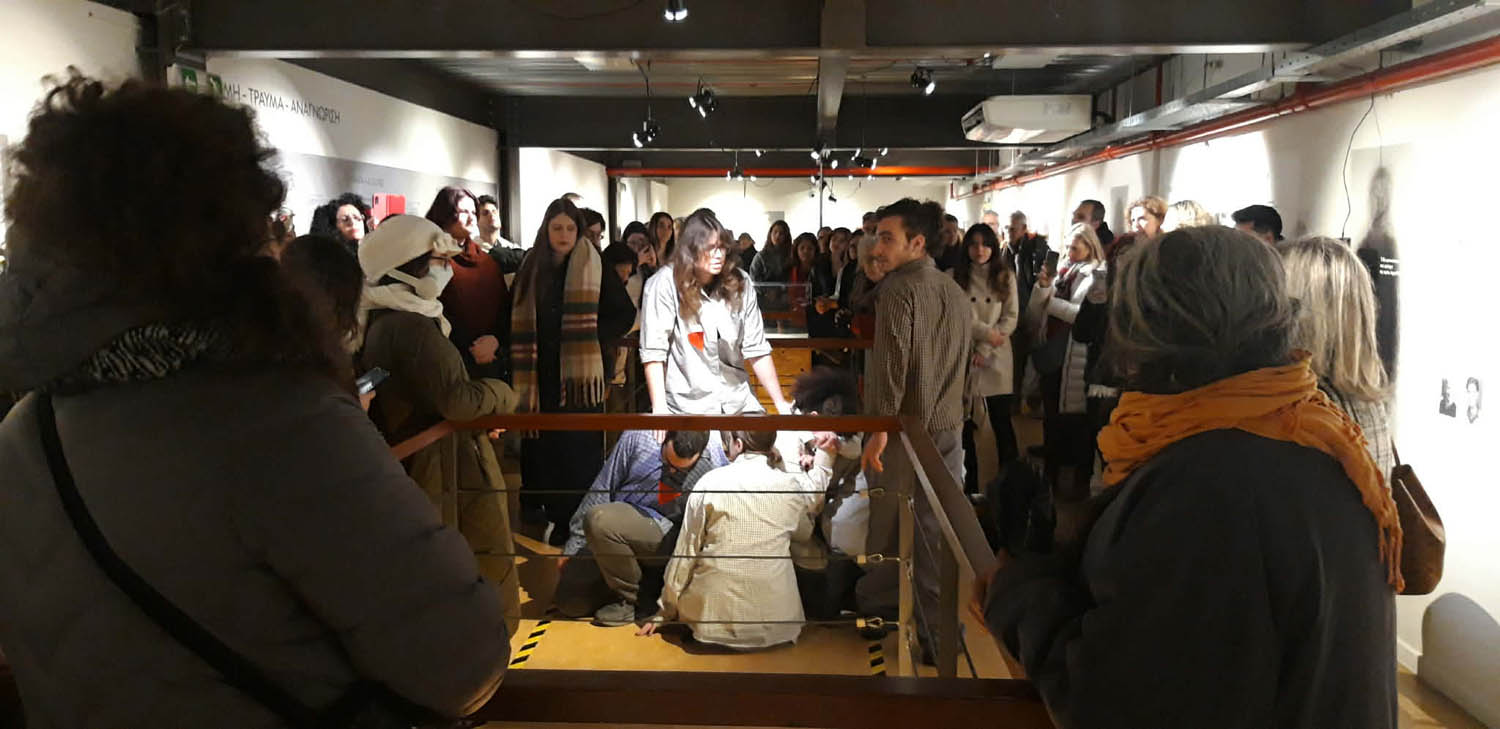
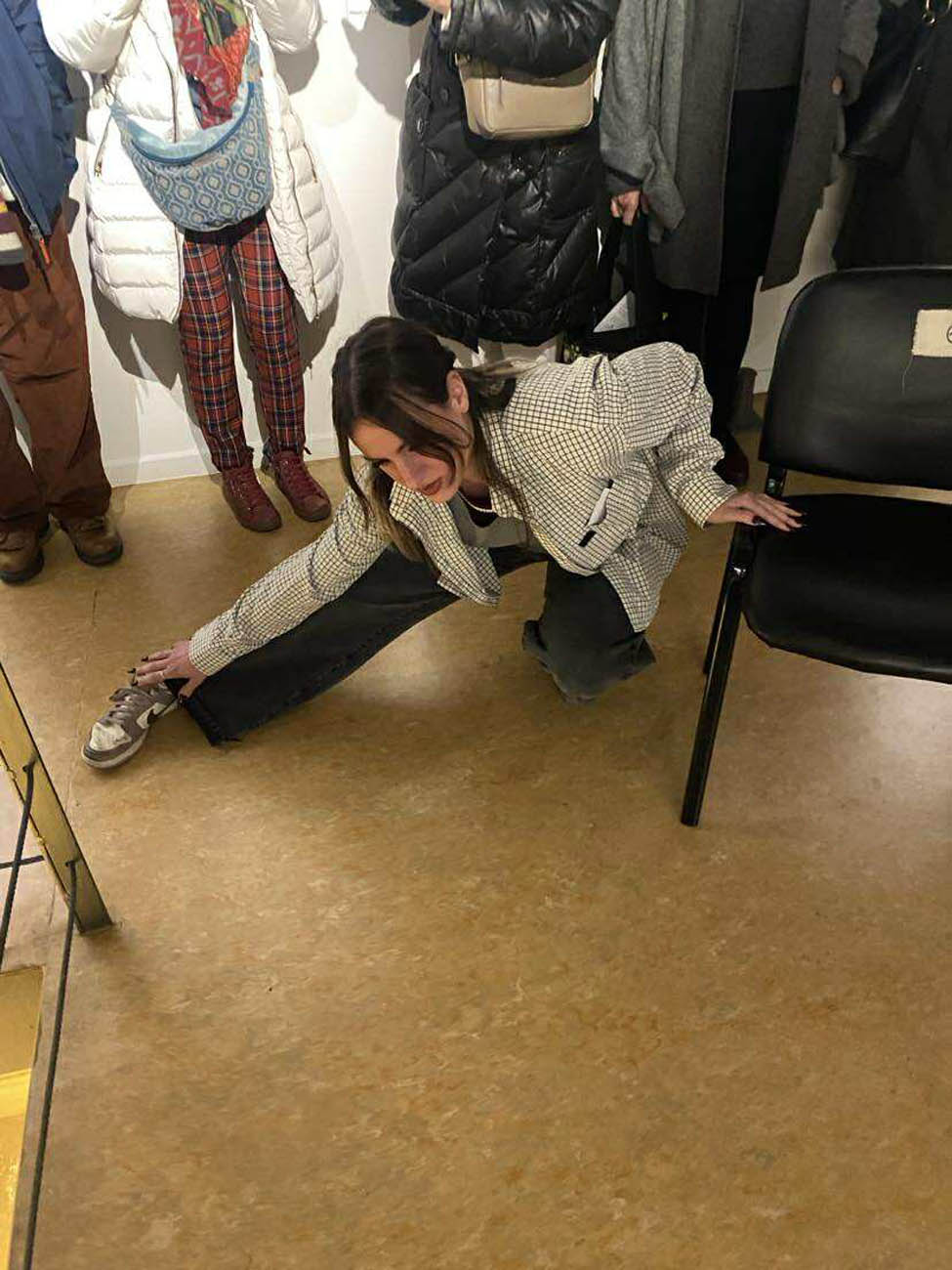
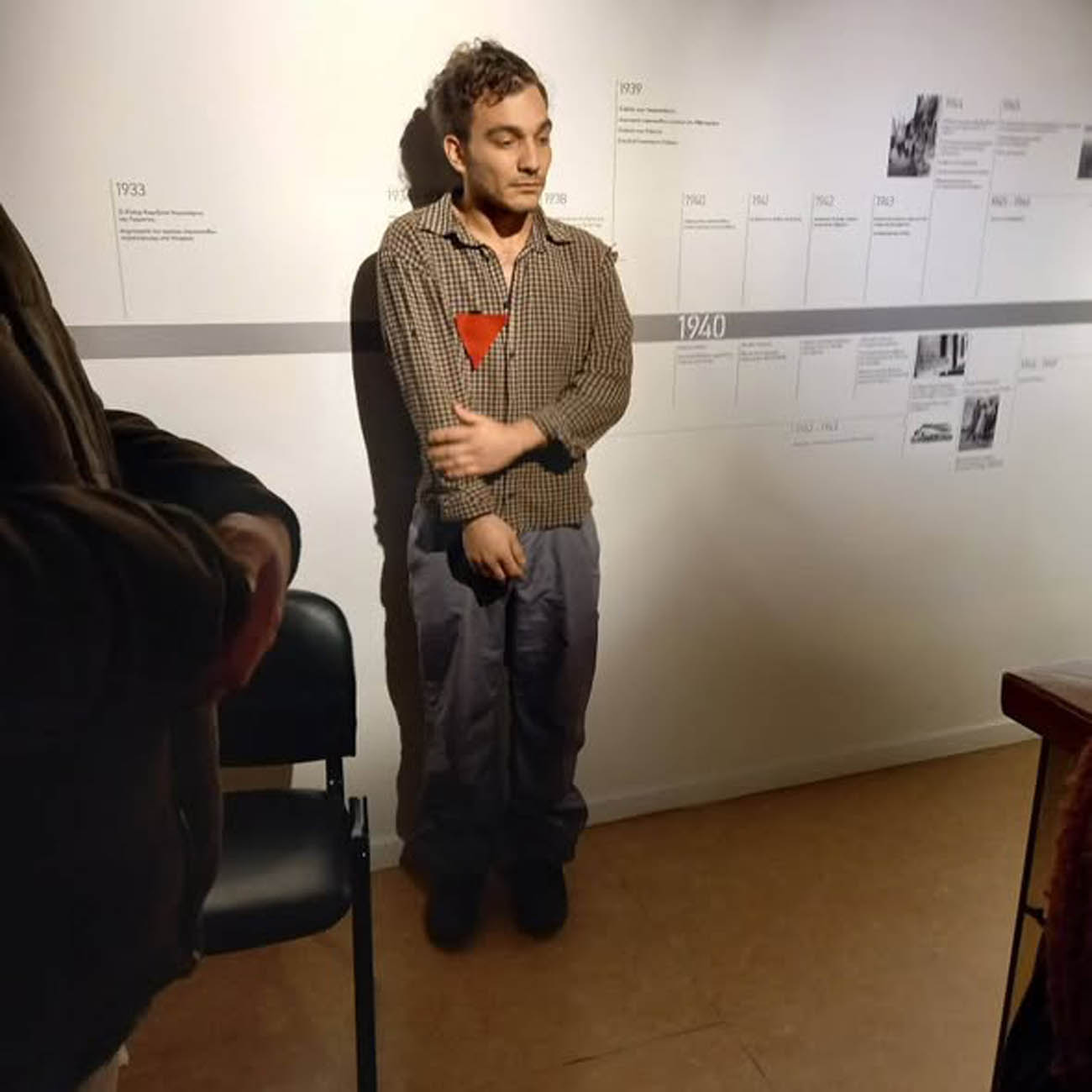
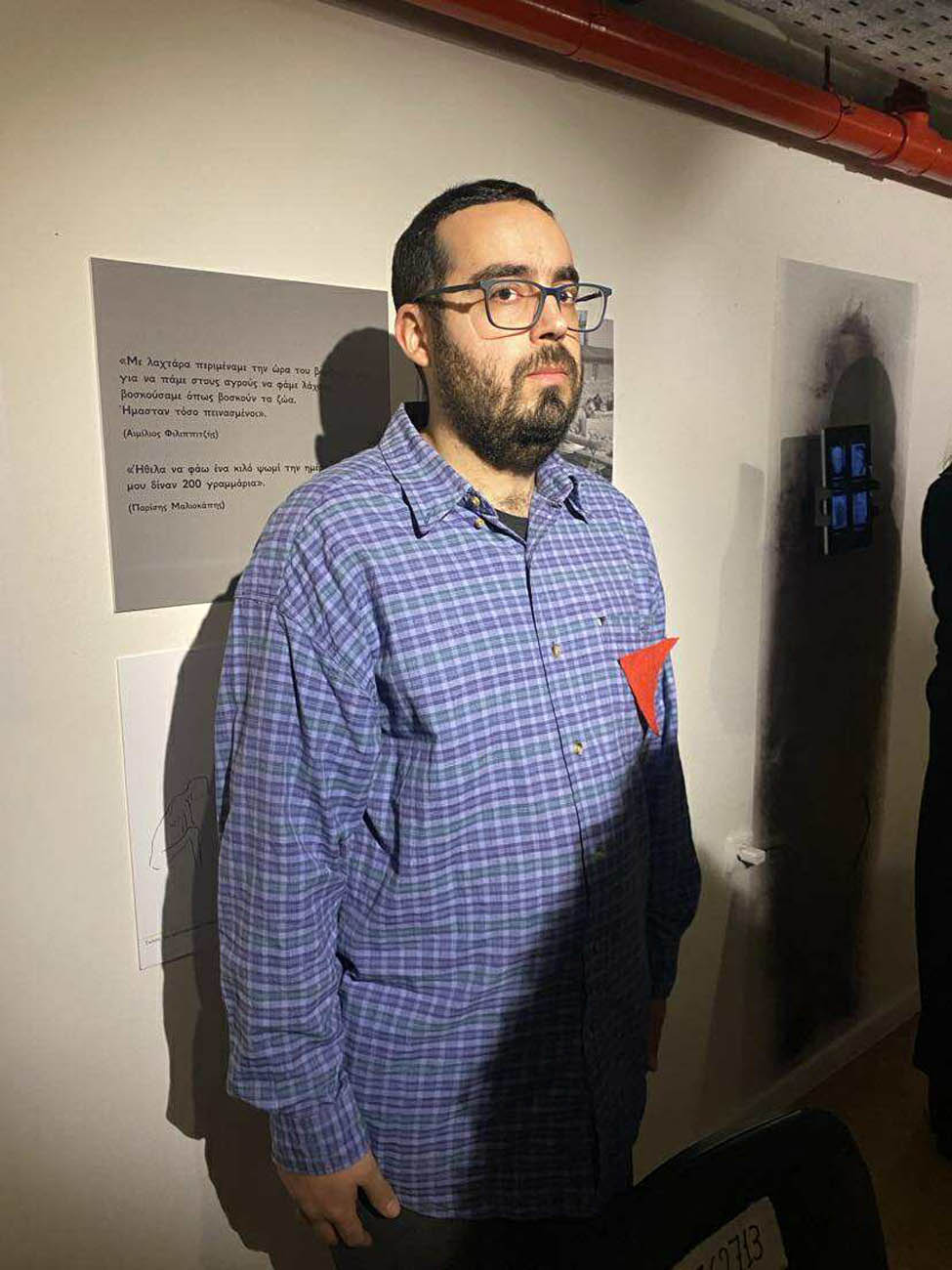
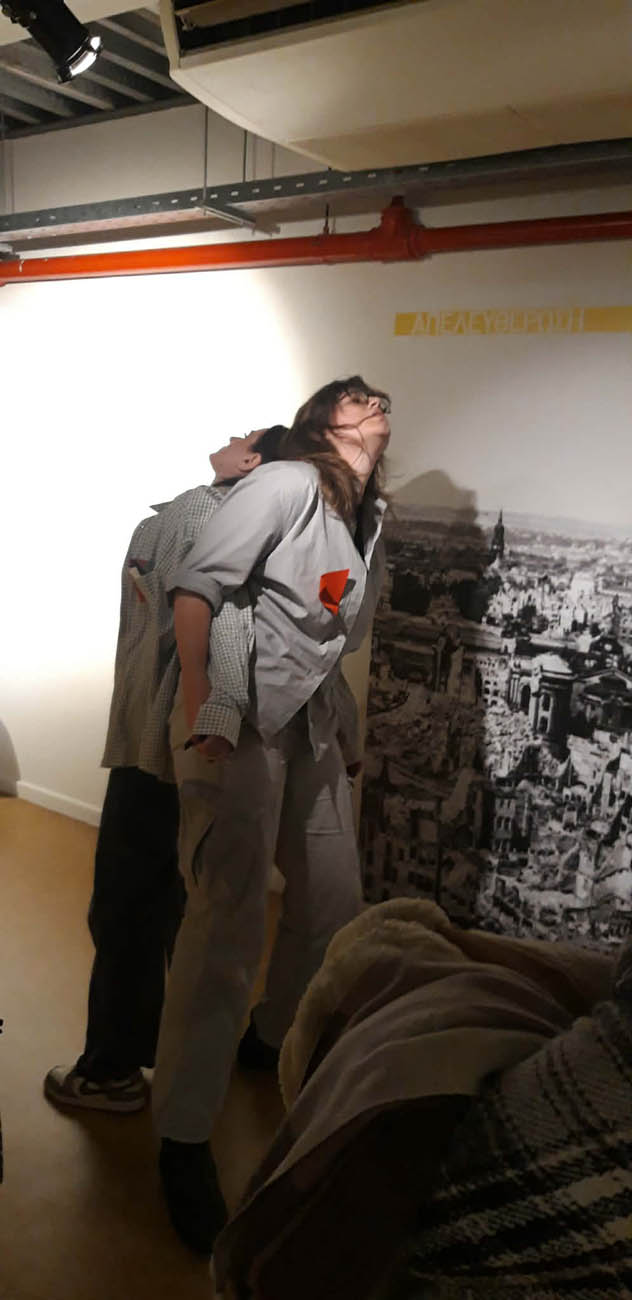
On the final day of the exhibition, January 21, 2026, the University of Thessaly’s “3rd Floor” theatre group transformed the story of the 235 camp prisoners from Magnesia into a vivid, moving experience. Under the guidance of Efi Stavrotheodorou, a theatre scholar and member of OPIVO, the performance deeply resonated with the audience, serving as a powerful and emotional conclusion to the exhibition.
The Descendants
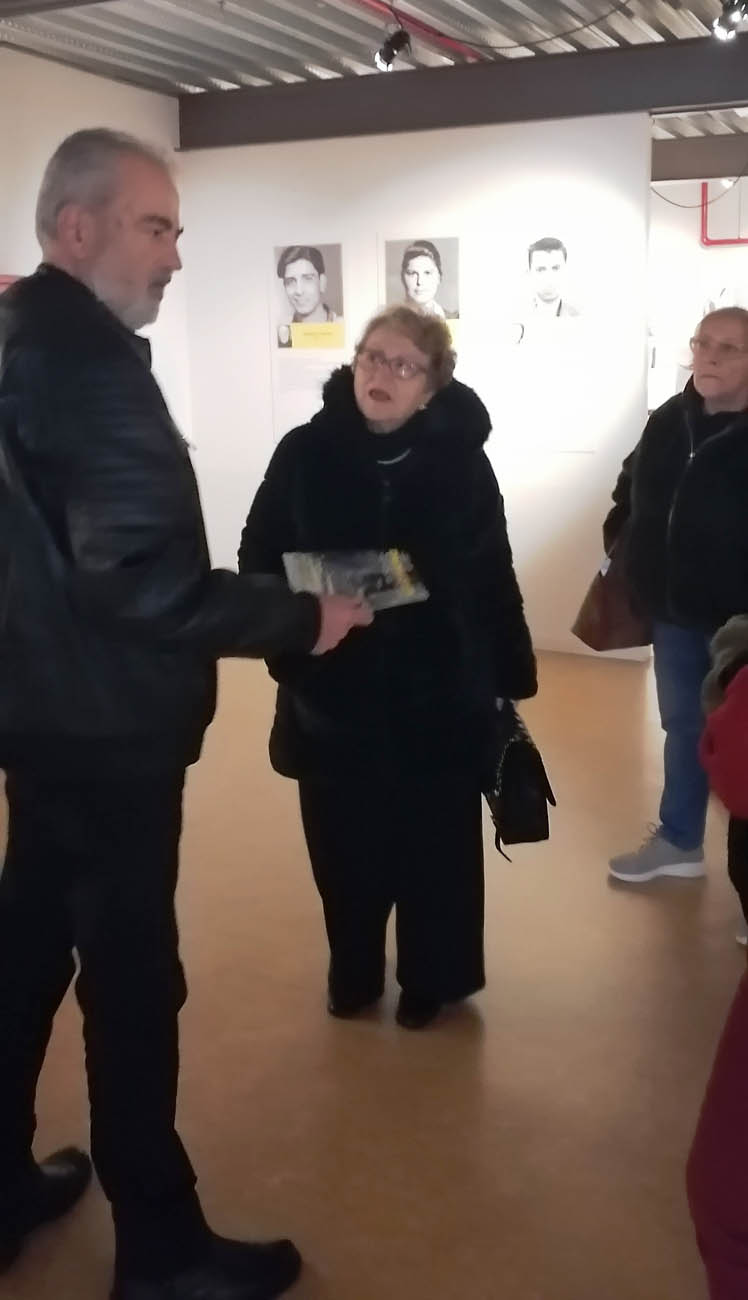
The visits by 2nd and 3rd generation relatives of forced labourers were profoundlymoving. Through the exhibition displays, they often discovered the long-silenced history of their relatives. In some cases, these guided tours for family members provided the impetus for new accounts, further enriching the forced labourer’s archive.
Highlights from School Visits
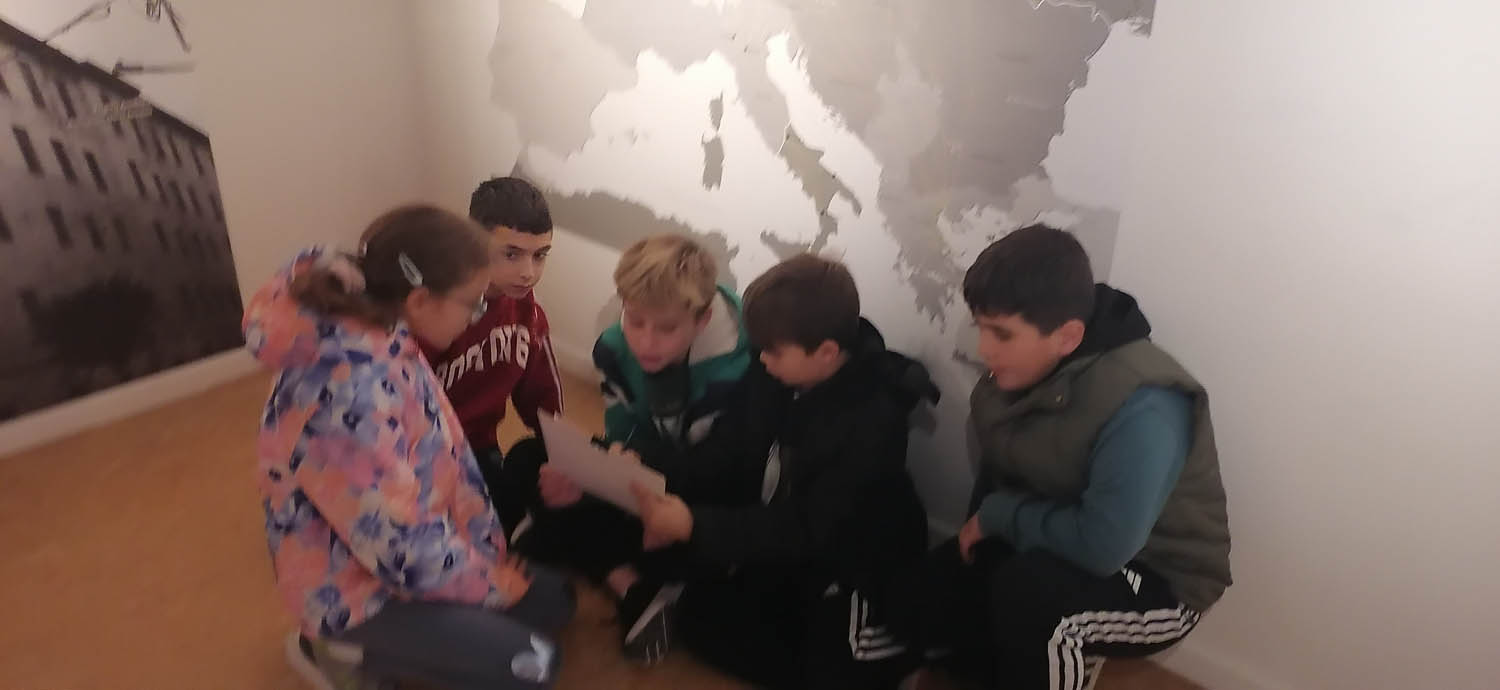
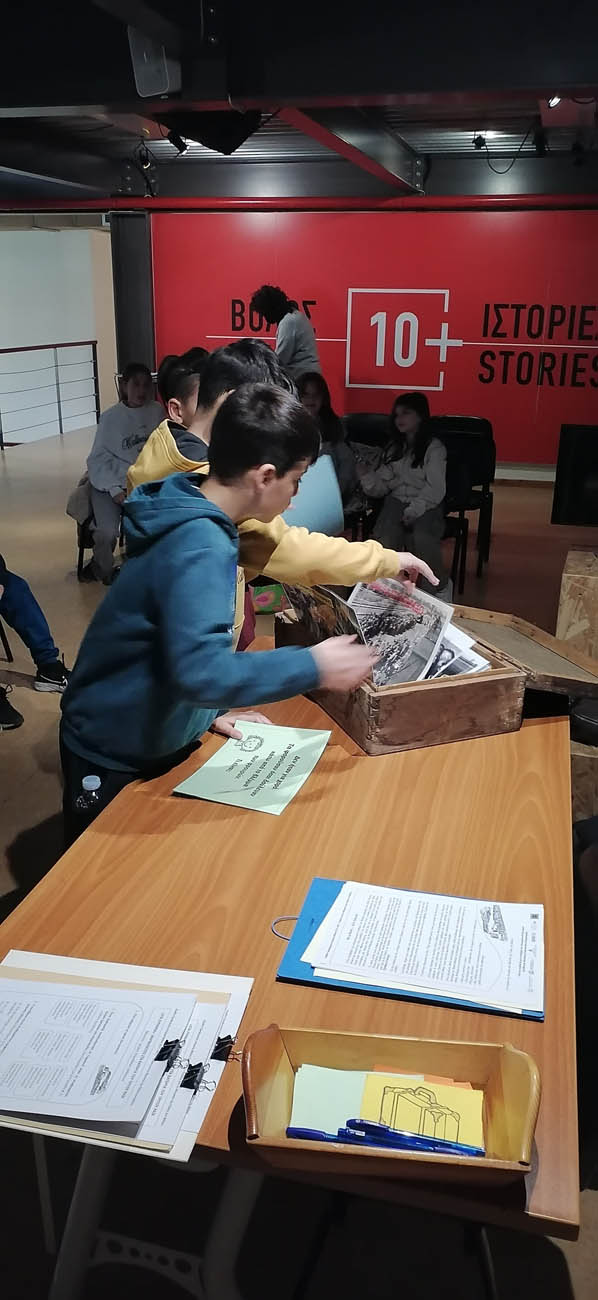
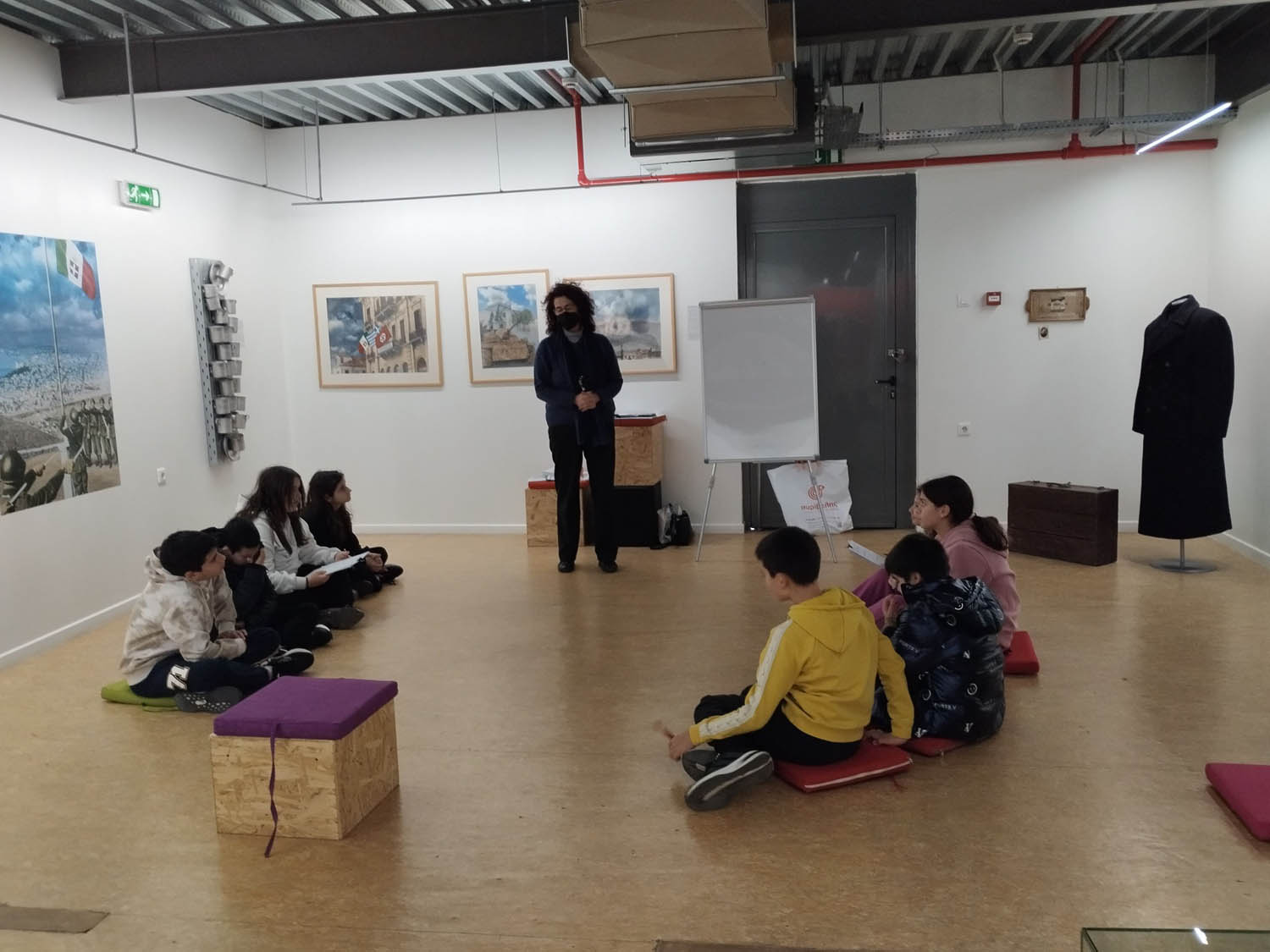
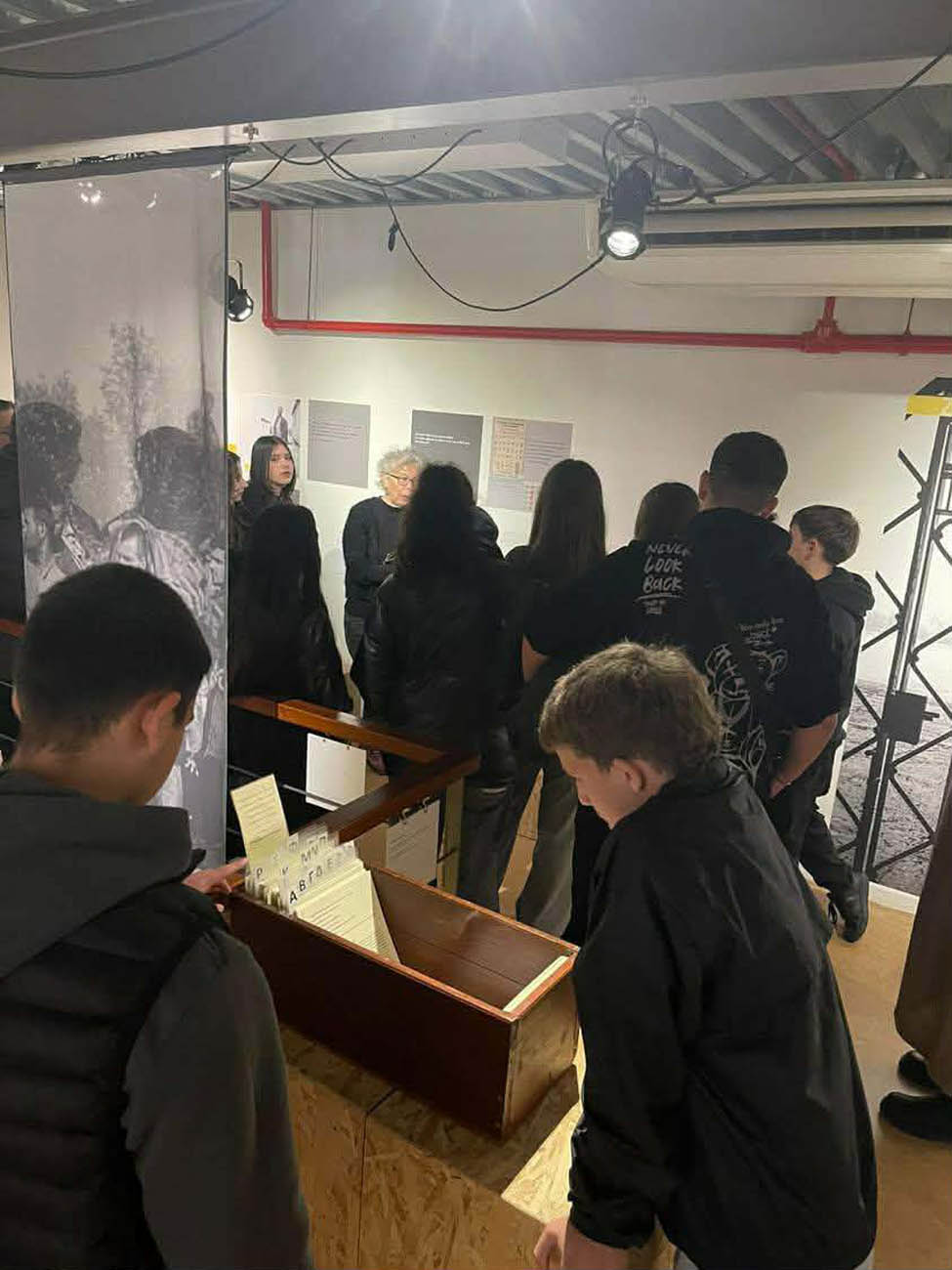
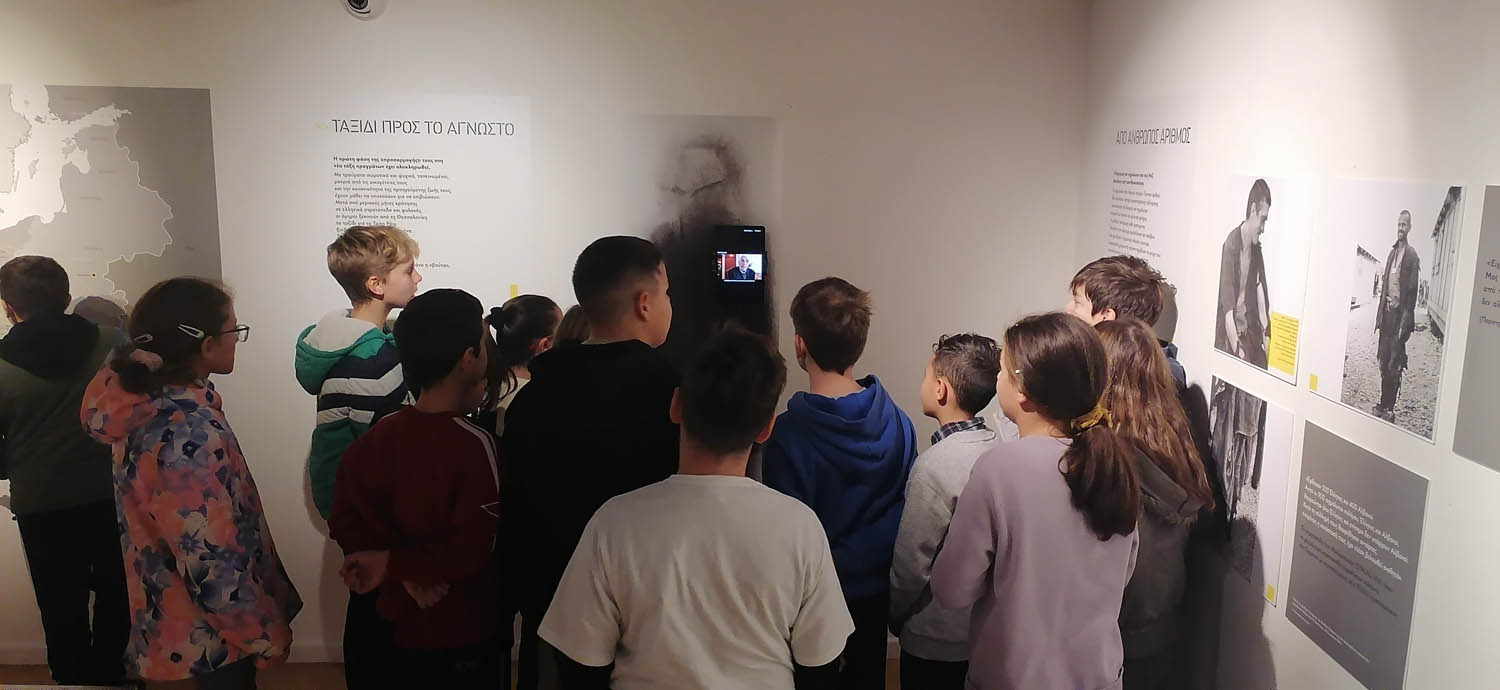
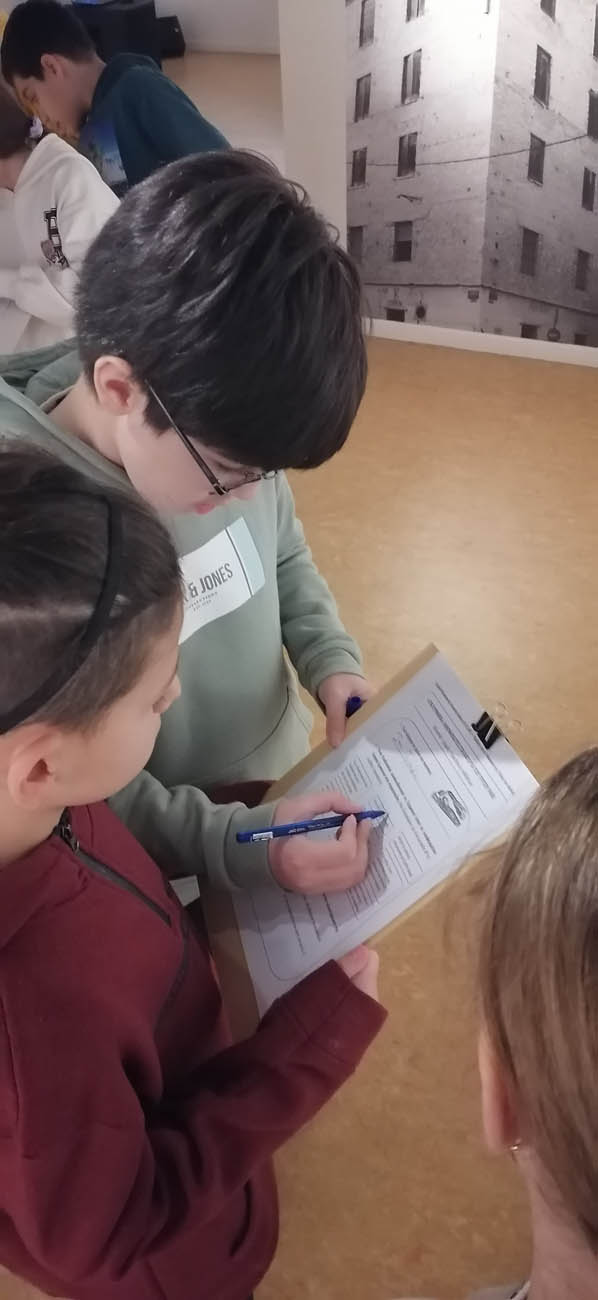
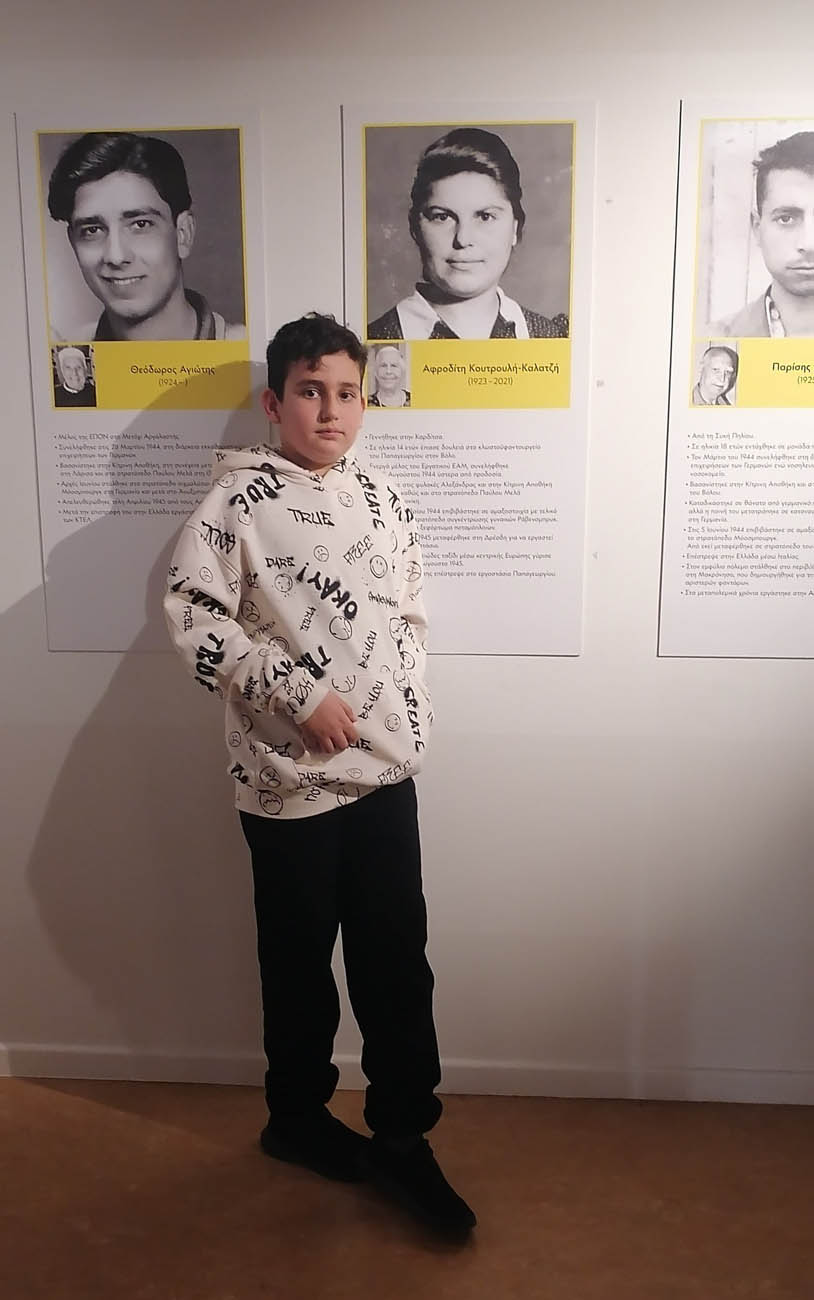
School visits benefited from organized tours and specialized educational programs developed by educators from OPIVO and the “Citizens for the Volos City Museum” association.
For the younger generation, the subject matter was entirely new. These educational visits prompted significant reflection on Nazi violence and the practices of dehumanization within the camps, as well as on similar contemporary phenomena. A primary objective was to foster awareness among young people regarding the rise of the far right and the undermining of the rule of law around the world.